
Understanding vs Memorization: The Real Difference
Why Memorization Feels Enough
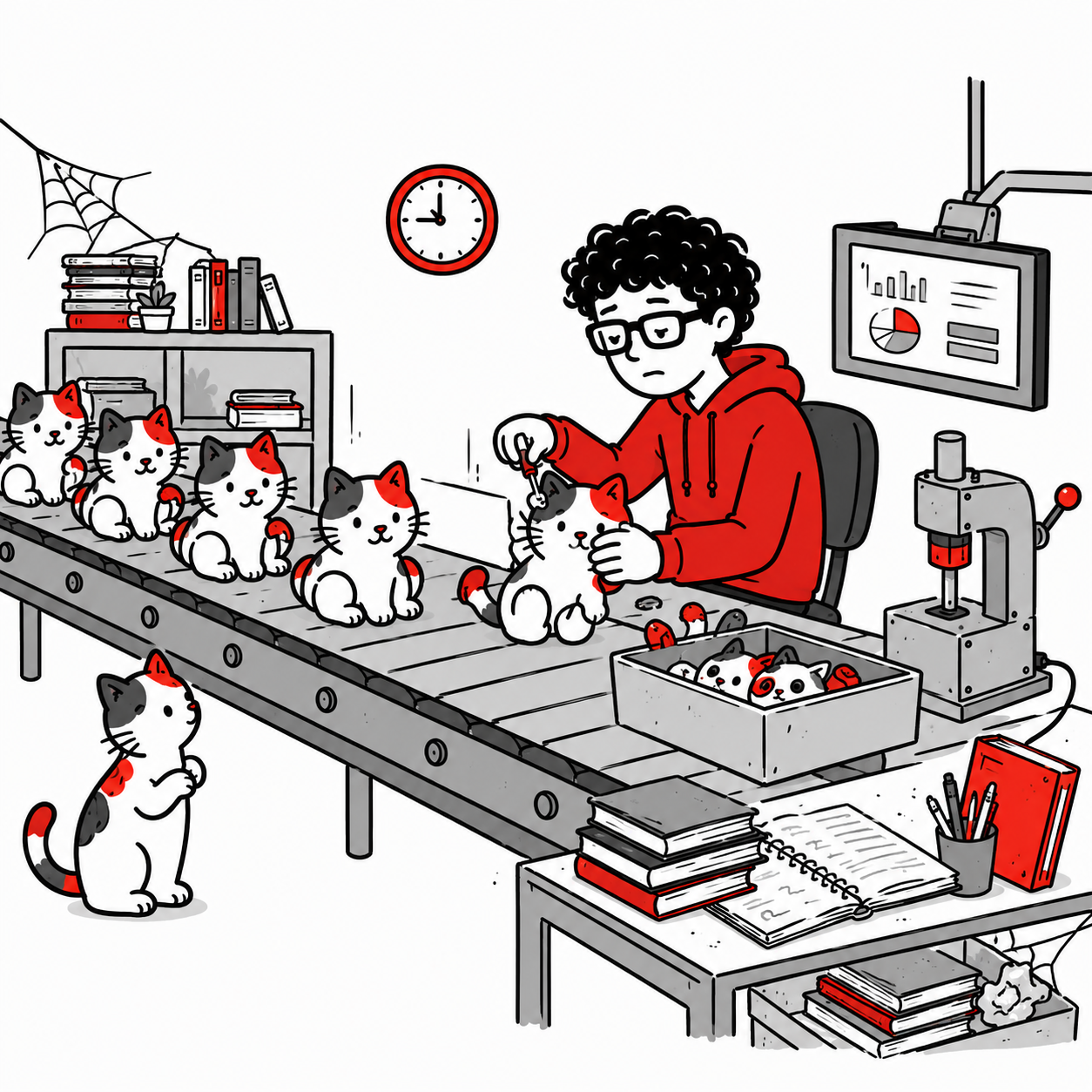
Memorization often feels more than enough compared to real understanding because it delivers quick results. You can repeat information in a short time, and that creates an immediate sense of progress. In many contexts, from exams and evaluations to repetitive tasks, this approach seems to work.
In some environments, this way of operating is even rewarded. If you can answer correctly, it gives the impression that you know. The problem is that this feeling is misleading.
Memory can hold information for a short period without any real understanding behind it. You can remember a formula, a definition, or a procedure, but without understanding why it works.
That is where the first crack appears. When conditions change, when the problem is not exactly the same as the example, what you memorized stops working. And that is when you realize that remembering is not the same as understanding.
“The mind is not a vessel to be filled, but a fire to be kindled.”
— Plutarch, philosopher and historian
What Understanding Actually Means
Understanding is not about repeating information. It is about being able to work with it. It means taking an idea, breaking it down, adapting it, and applying it in different contexts without relying on a fixed structure.
When you truly understand something, you do not need to remember every exact detail. You can reconstruct it. You can explain the concept in your own words without memorizing it and adjust it depending on the situation. That is what makes the difference.
Also, understanding involves connection. You do not see an idea in isolation, but as part of a larger system. You can relate it to other concepts, detect inconsistencies, and make decisions based on that understanding.

The Moment I Noticed the Difference
I clearly remember a stage in university, I think it was around the fifth semester. I could repeat complete technical concepts without any problem. I had memorized enough to pass, and honestly, at that time I thought it was enough.
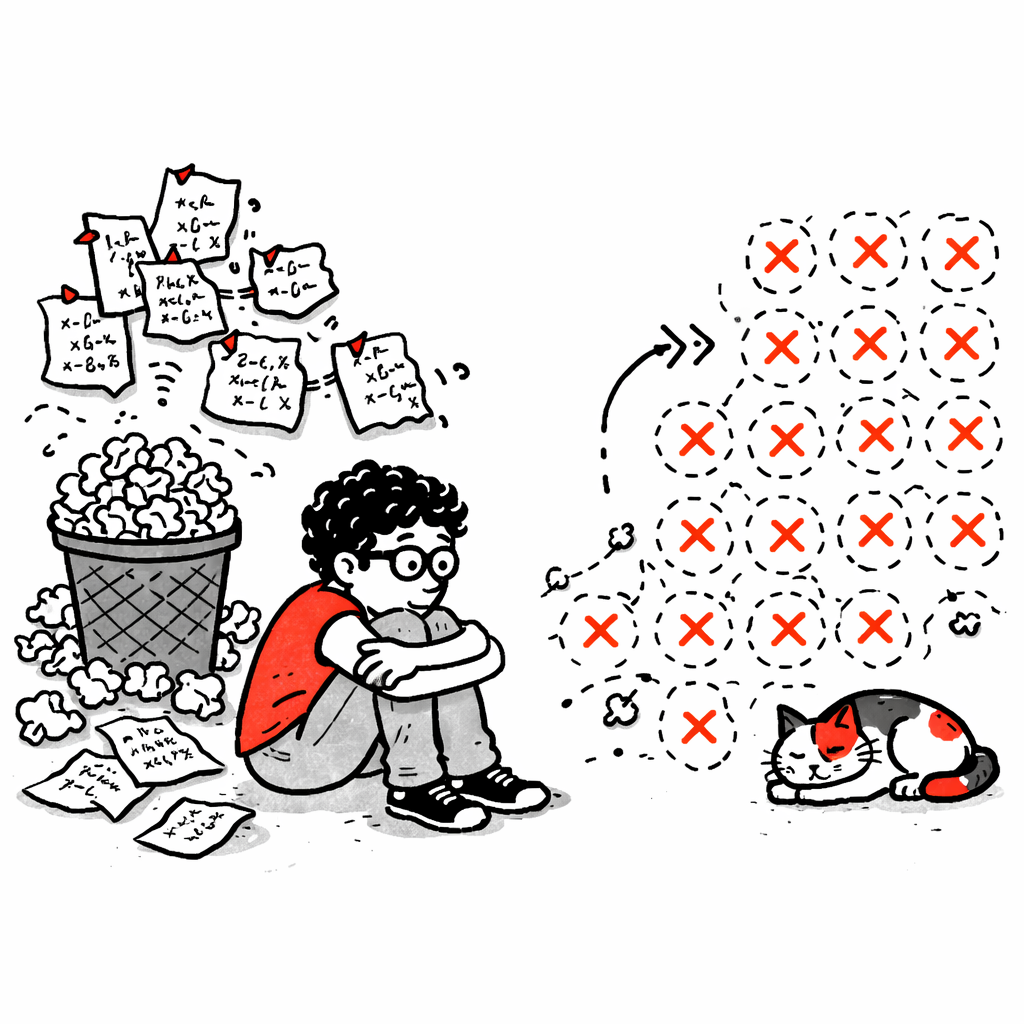
But the real issue appeared when I had to apply those same concepts in a different context. I got stuck. I did not know where to start. Everything I had memorized gave me no way to solve the problem.
That was the breaking point. I realized I had not truly learned anything. I had only retained temporary information. And the worst part is that this information disappeared quickly once I stopped using it.
That is why, even today, I remember more the things I got wrong than the ones I answered correctly.
How to Move from Memorization to Understanding
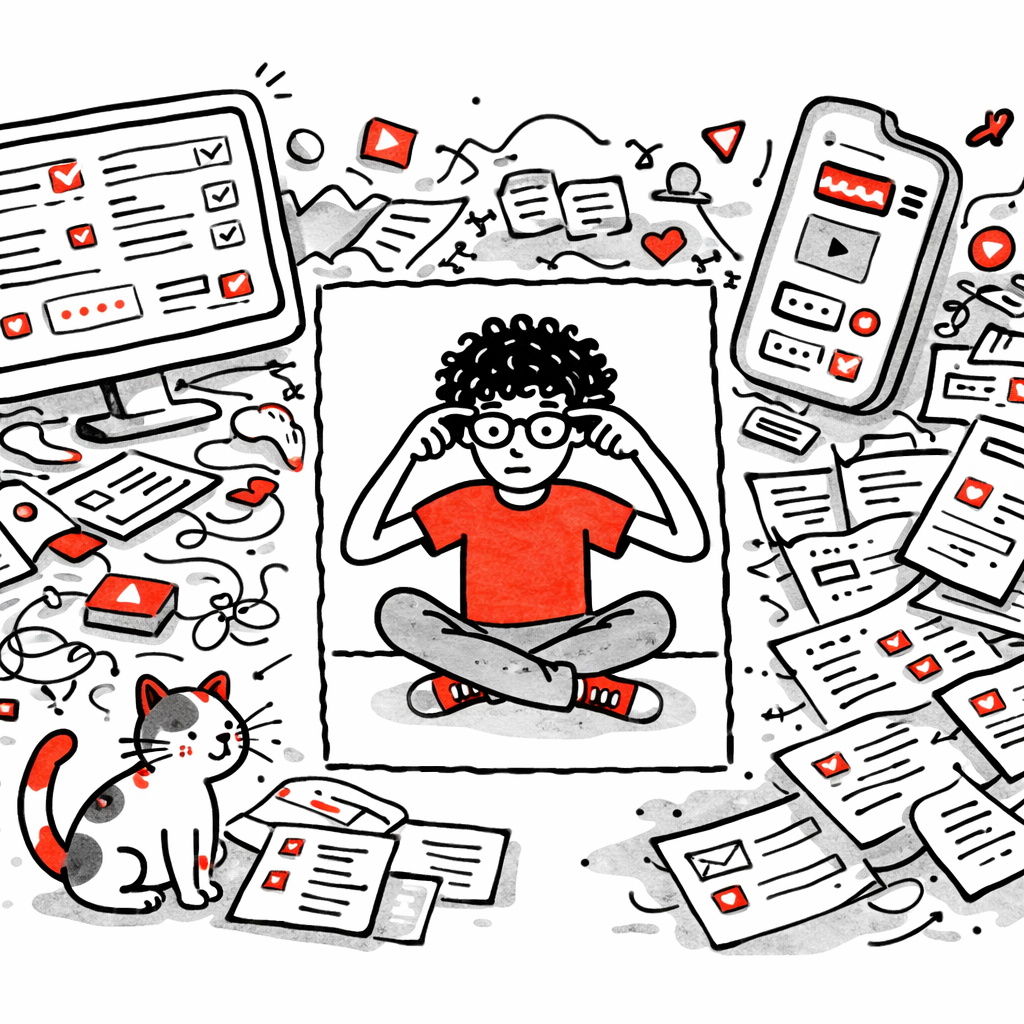
The first step is to stop consuming information passively. Reading or listening is not enough. You need to interact with the information, question it, and reorganize it.
The second step is to explain what you learn without looking at the source. If you cannot explain it in your own words, you have not understood it. This point is key, and most people avoid it because it is uncomfortable.
The third step is to apply what you know. You do not need a perfect scenario. Simple examples are enough. Application is what reveals whether there is real understanding or just memorization.
Friction as Part of Real Learning
Understanding always comes with friction. It is that moment when something does not fit, when you feel deep inside that you need to stop and think. It is uncomfortable because it breaks the illusion that you already knew.
That discomfort is necessary. It is the signal that you are moving from superficial recognition to real understanding. Without that process, there is no deep learning.
Many people avoid this stage because they prefer the feeling of moving fast. But moving fast without understanding only builds problems in the long run.
“Tell me and I forget, teach me and I may remember, involve me and I learn.”
— Benjamin Franklin, statesman, inventor, and writer
Why Understanding Always Wins in the Long Run
Memorization can give you immediate results. I will not deny that, depending on the situation, it can save you. It can help you pass a test or complete a specific task.
But that kind of knowledge is fragile and dependent on context. Understanding, on the other hand, accumulates. It allows you to adapt, evolve, and solve new problems. It helps you learn faster in the future. It becomes a foundation that does not disappear easily.
In the end, it is not about how much you can repeat, but how much you can use. Because in the real world, no one asks what you remember. They expect what you understand.