Why Convenience Is Making Us Mentally Lazy
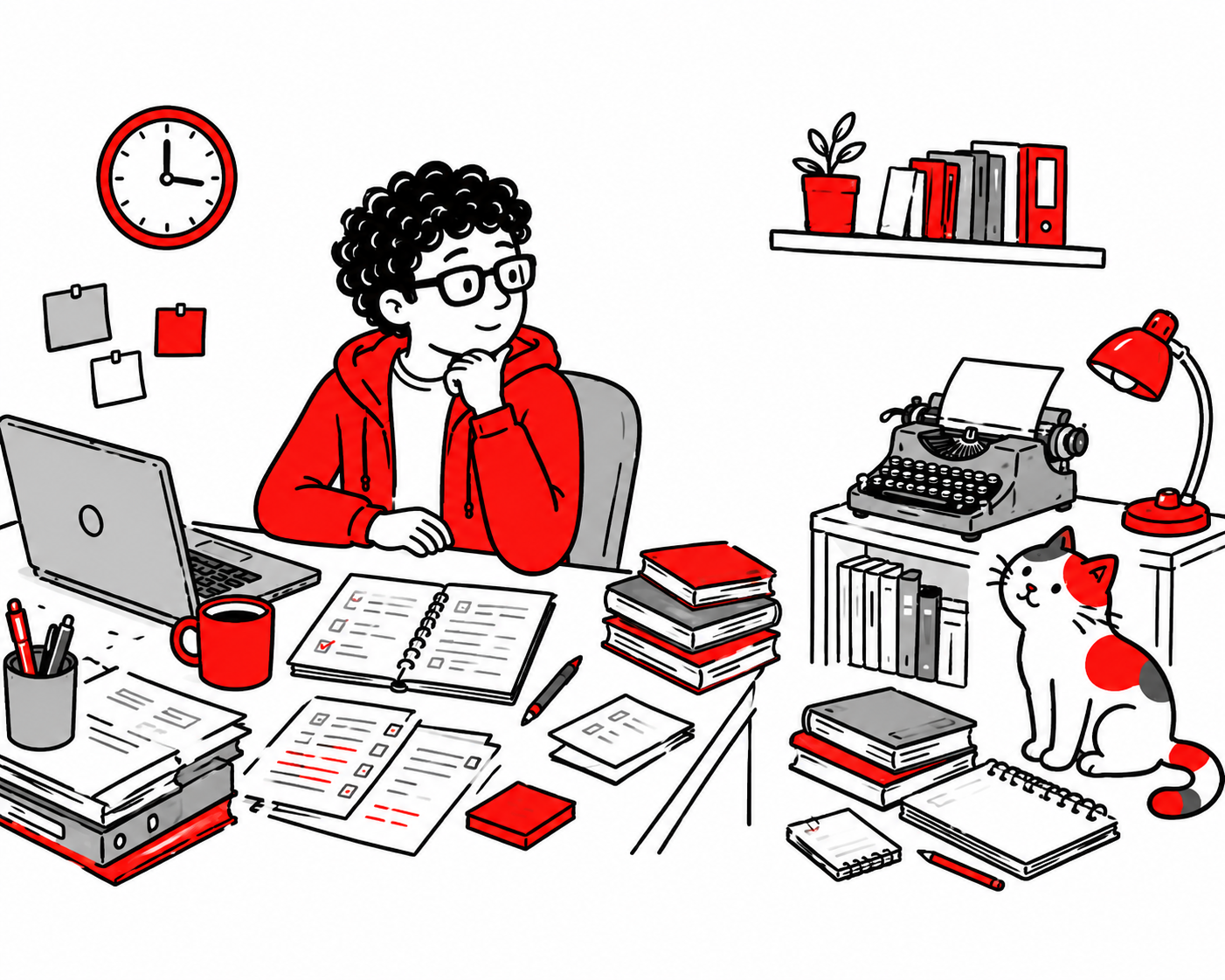
When Convenience Replaces Mental Effort
To be honest, I used to see convenience as a form of progress. Less effort, more speed, better tools. Everything optimized. Sounds great, right?
But there is a cost that is not always obvious. And in our case, even if it sounds exaggerated, it has consequences. Still, I don’t think conveniences itself is the problem.
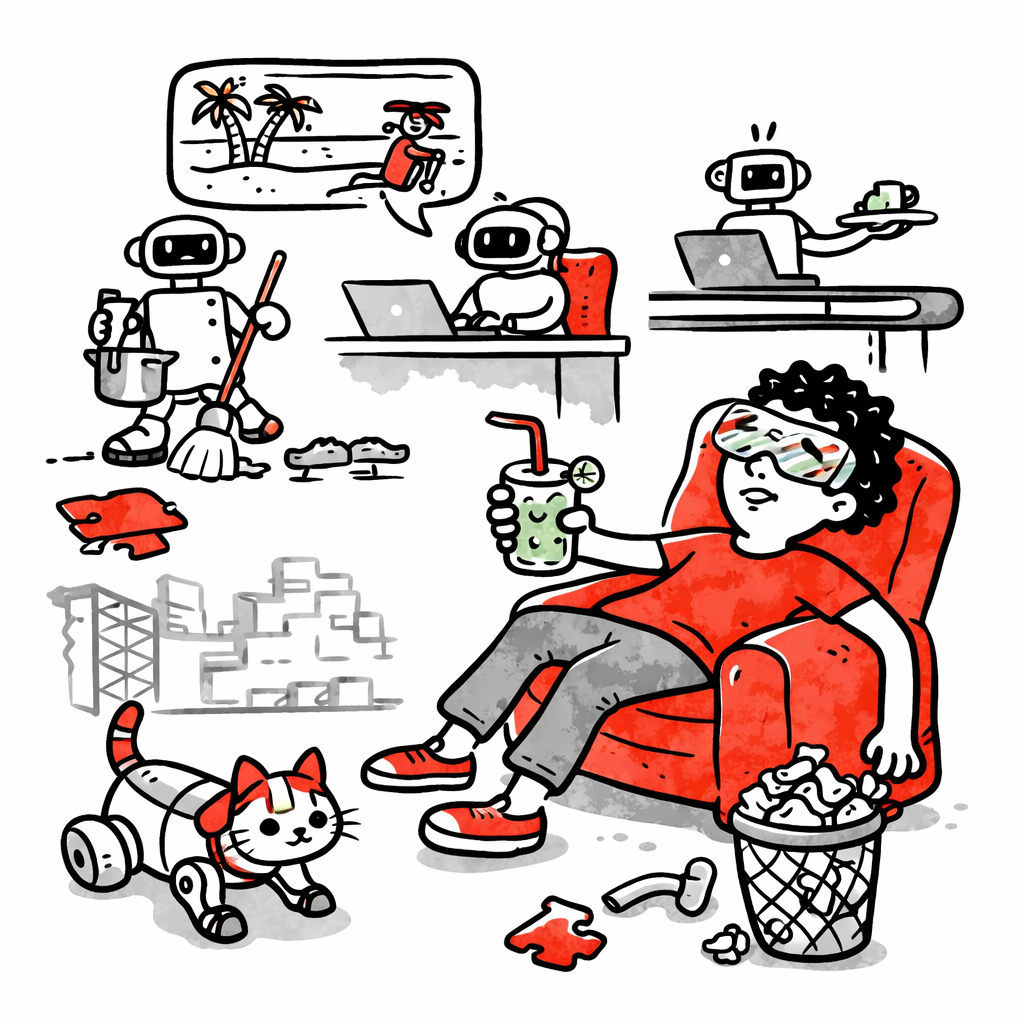
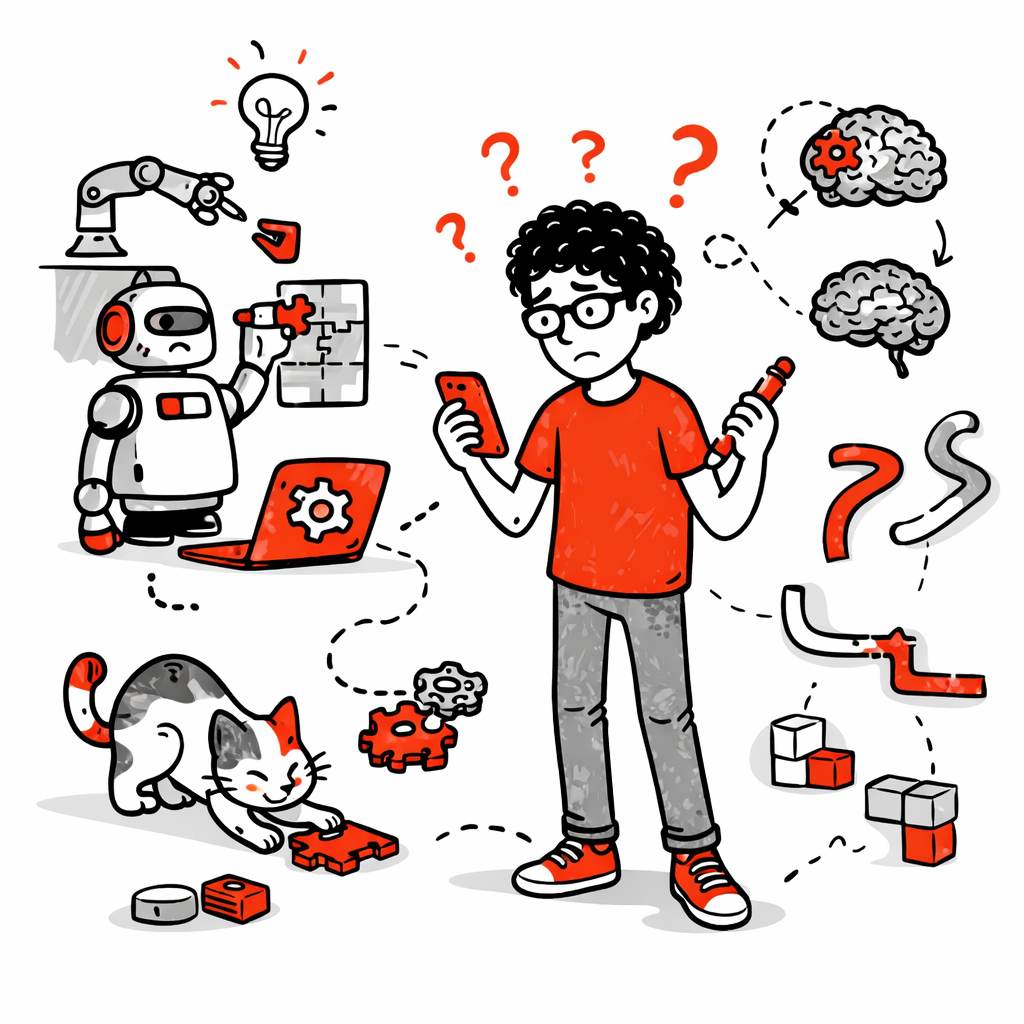
The more we depend on int, the less we train our ability to think for ourselves. The reality is that we start delegating decisions, memory, and even judgment.
Today, you can get instant answers (myself included, thanks to AI), optimized routes, suggested decisions. Everything is designed to reduce friction. And that works… up to a point.
Because if there is no friction, there is no growth.
“Thinking is the hardest work there is, which is probably the reason why so few engage in it.”
— Henry Ford, industrialist and founder of Ford Motor Company
Why Convenience Reduces Your Ability To think
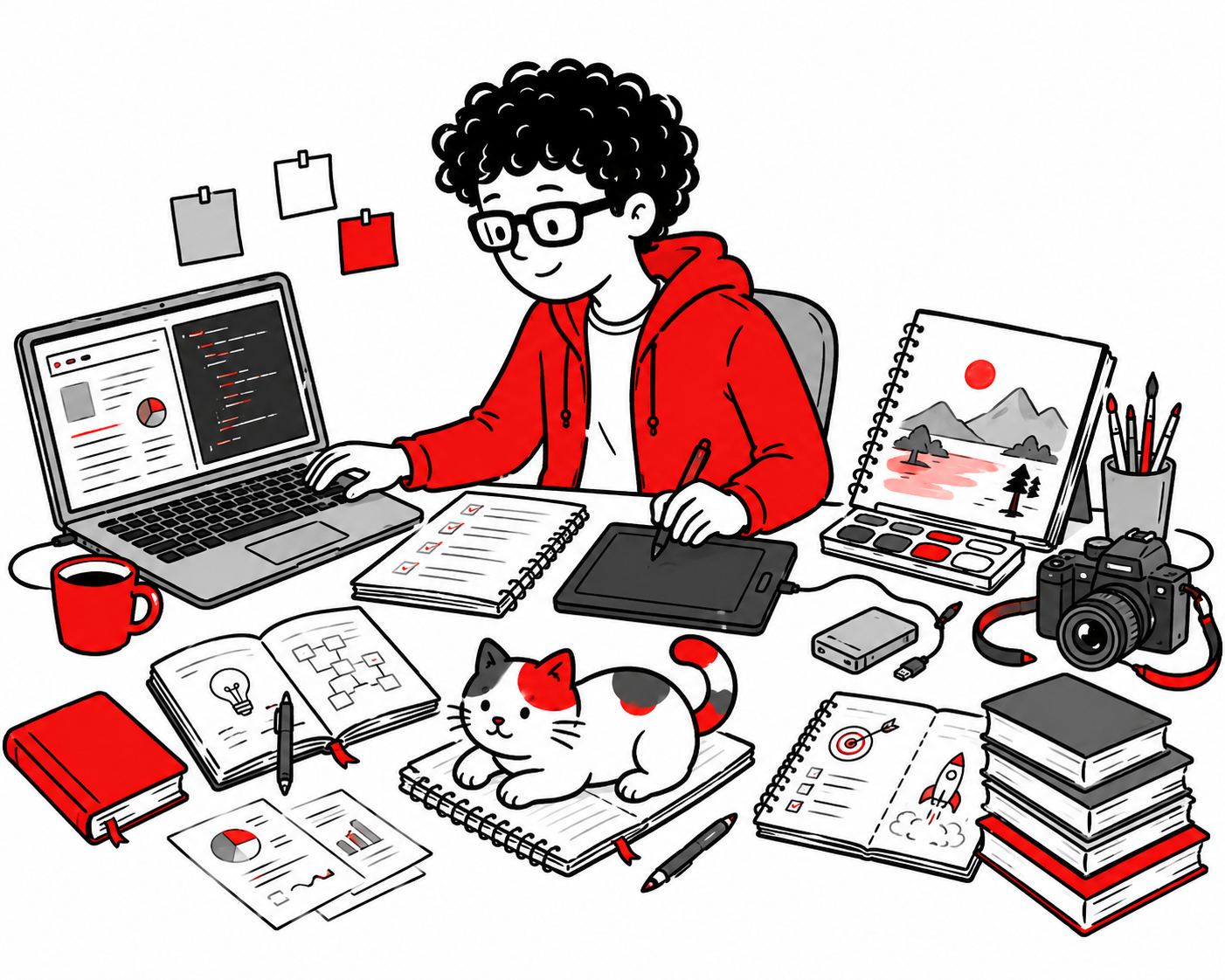
The brain adapts to what it uses. If you constantly delegate mental processes to external tools, those abilities begin to weaken.
You don’t need to remember directions, you don’t need to calculate, you don’t need to analyze too much. Everything is available instantly.
The problem is that when you actually need to think… really think, that ability is no longer as trained.
The Moment I Stopped Trusting Automation
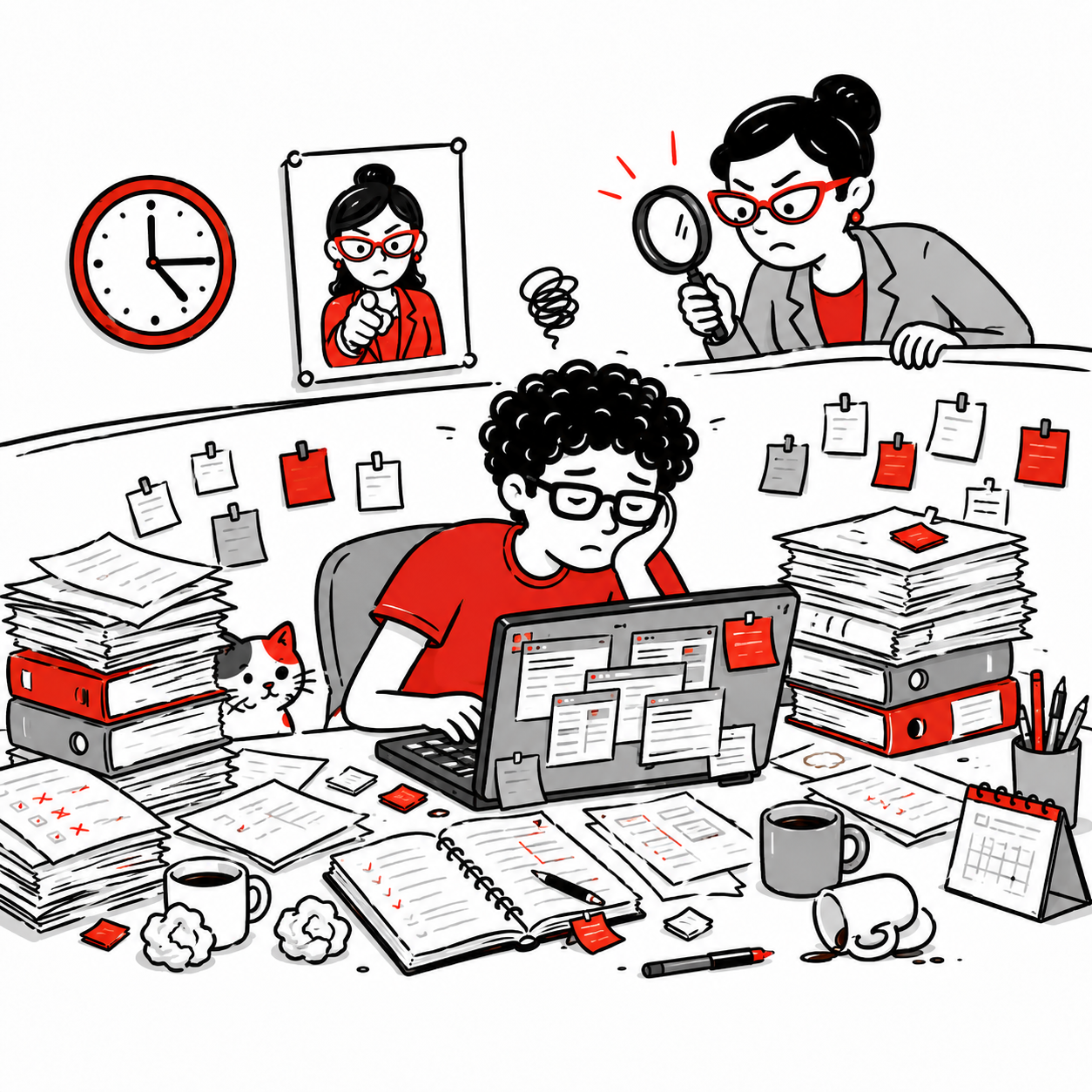
I remember, long before AI became what it is today, I was working with some data in Excel and followed all the automatic recommendations without questioning them (and we’re not even talking about the kind of recommendations we have today) It seemed logical, fast, efficient. I didn’t think much about it.
But the result was not what I expected. Not Because the tool was bad, but because I hadn’t evaluated the context.
That’s when I understood something simple: convenience works well when you are also thinking. When you’re not, it makes you dependent. And trust me, that’s not a good place to be.
How to Avoid Becoming Passive Because of Convenience
The first step is to introduce friction intentionally. Not everything has to be immediate. Sometimes it’s worth pausing and thinking before accepting an answere.
The second step is to question what feels automatic. If something is too easy, ask why. Not to eject it, but to understand it.
The third step is to use convenience as a tool, not as a substitute. Let it help you, but don’t let it think for you.
Thinking Is Uncomfortable, but Necessary
Thinking takes time. It requires effort, attention, and often discomfort. That’s why convenience is so attractive.
But avoiding that effort comes at a cost. You may become faster, yes, but also more superficial in many of your decisions.
And in the long run, that shows.
“The more we rely on technology, the less we think for ourselves.”
— Nicholas Carr, author of The Shallows and technology critic
Convenience Is Not the Problem, Dependence Is
Convenience is not the enemy. It is a powerful tool when used correctly.
The problem appears when you stop thinking because something else is doing it or you. When you accept answers without processing them.
In the end, it’s not about eliminating convenience. It’s about not losing your ability to think for yourself while using it.