How to Keep Learning When Your Job Stops Challenging You
When Your Job Stops Teaching You Anything New
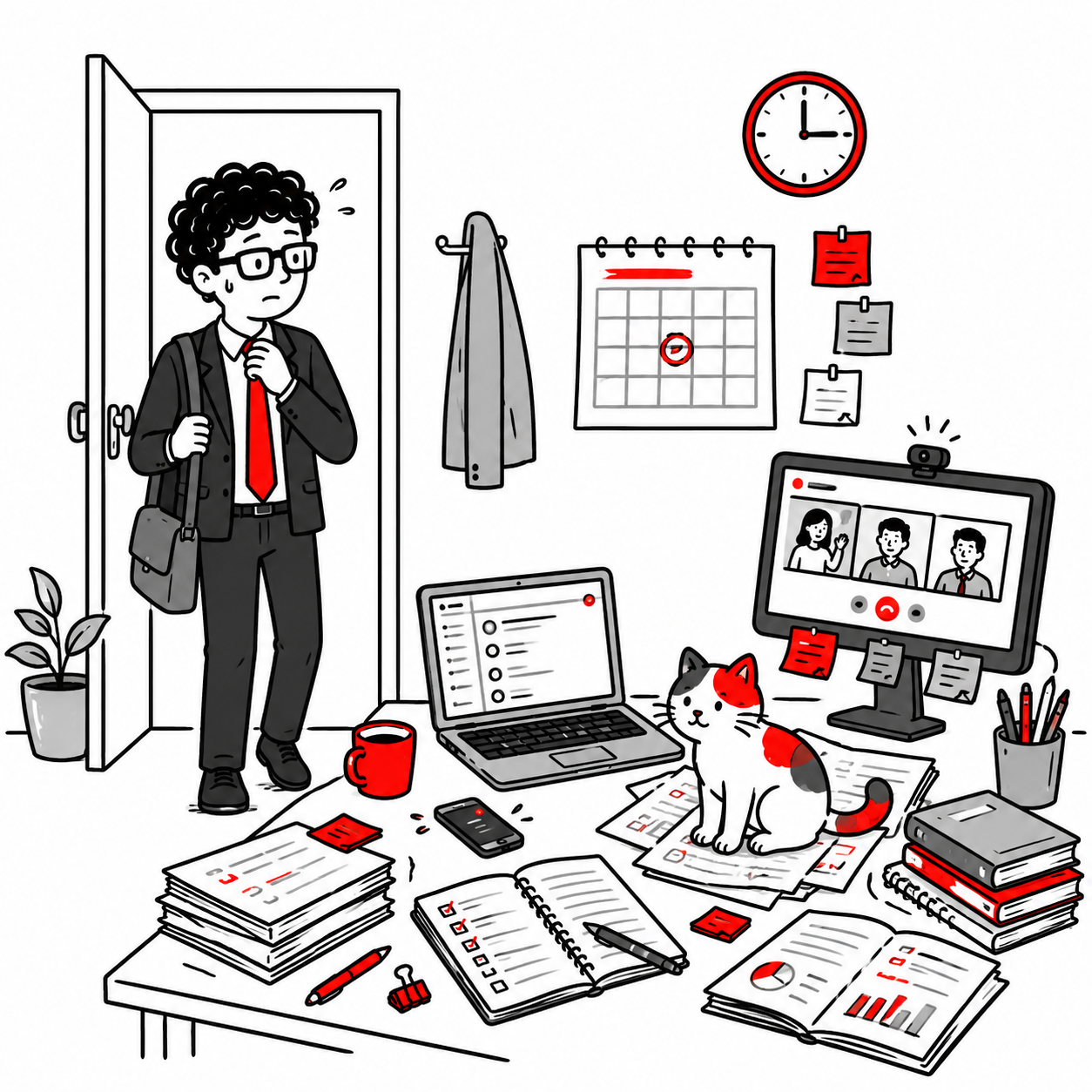
There is a strange moment in many jobs where everything starts feeling too familiar. You already know how to solve the problems, you know the processes by memory, and you can even predict useless meetings before they happen. From the outside, it looks like stability. From the inside, many times, it is stagnation.
The dangerous part is that this feeling does not arrive all at once. It appears slowly. First, you stop feeling curious. Then, you stop researching new tools. Eventually, you begin working only to comply. And even though you stay busy all day, mentally you are no longer growing. In some way, that also happened to me.
The problem is not only professional. When a person stops learning for too long, they also begin losing confidence in their ability to adapt. New things start looking more difficult than they actually are. Little by little, the brain becomes accustomed to operating within the same limits all the time.
“Once you stop learning, you start dying.”
— Albert Einstein, theoretical physicist
Why Many Jobs Eventually Shut Down Learning
Most companies are not designed to maximize learning. They are designed to keep operations running. That means once you know how to do something correctly, the system expects repetition, more repetition, and consistency, not constant exploration.
And honestly, from a business perspective, that makes sense. The problem appears when people spend years executing the exact same mental patterns without introducing anything new. The brain starts optimizing efficiency while sacrificing growth.
On top of that, many work environments, and honestly I still do not understand why, end up indirectly punishing curiosity. Asking questions takes time. Experimenting creates risk. Proposing changes disrupts established processes. So eventually, many people learn something dangerous: thinking less creates fewer problems.
And that is probably one of the worst mental habits someone can develop in their professional life.
The Moment I Realized the Problem Was Not the Job
I remember a stage where I was not only developing systems but also working in technical support. Technically, I could solve almost any problem that appeared because I had spent a couple of years seeing the exact same errors repeatedly. At first, that felt like experience. Later, it started feeling like endless repetition.
The strangest part was that the more I mastered the job, the less I learned. I no longer needed to research much. Solutions appeared automatically because everything was familiar. And although that looked like efficiency, in reality, my brain had stopped making an effort.
That was when I understood something important: the problem is not always that the job itself is bad. Sometimes the problem is staying too long without intentionally introducing new difficulty. That is how I realized you also need to set a limit for how long you remain in a job. For me, that limit is five years. After that, it is necessary to look for new directions.
Because if the environment stops challenging you and you also stop challenging yourself, learning simply stops.
How to Keep Learning Inside Repetitive Work
The first step is to stop depending exclusively on your job for growth. Many people expect companies to constantly provide new challenges, new tools, and new learning opportunities. Honestly, that rarely happens naturally.
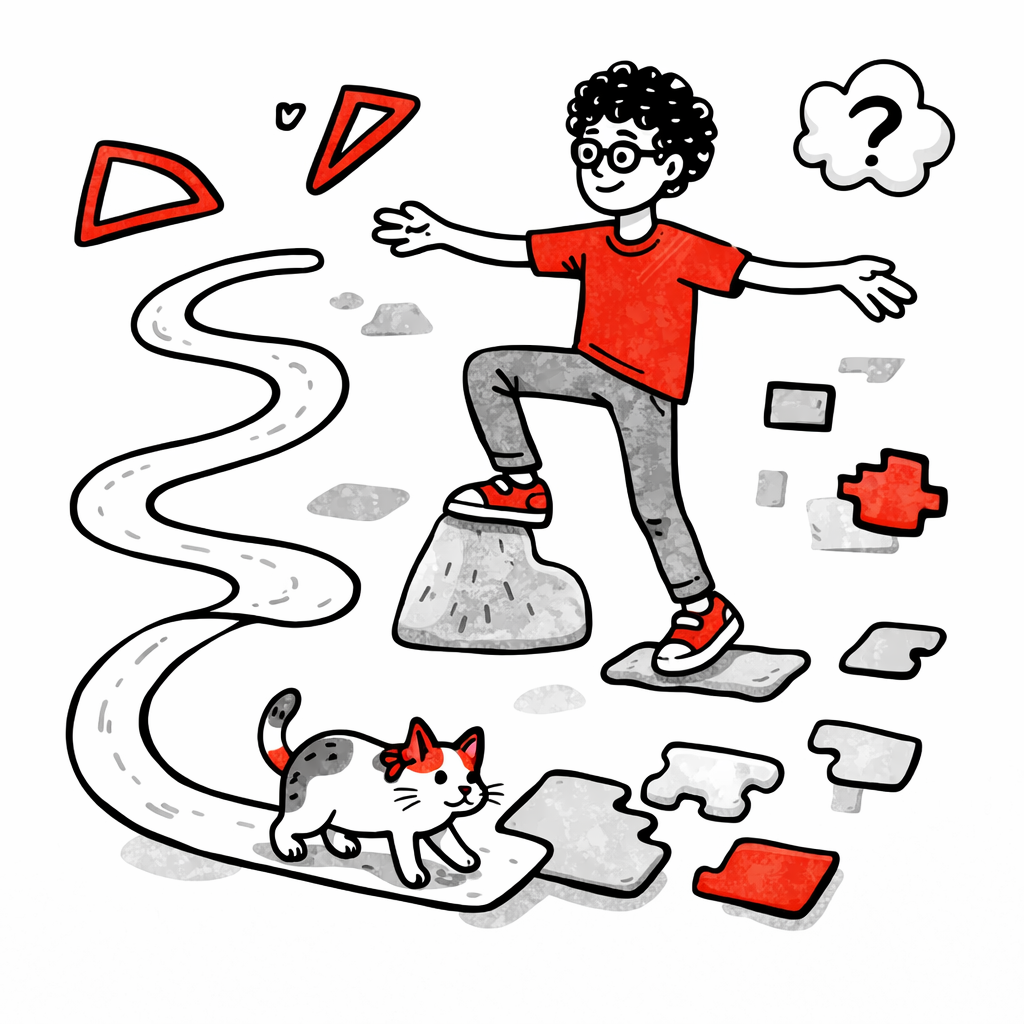
The second step is to introduce complexity artificially. Automate something, document a process better, or learn a tool related to your work even if it is not necessary yet. The brain needs novelty even when the position itself does not demand it directly.
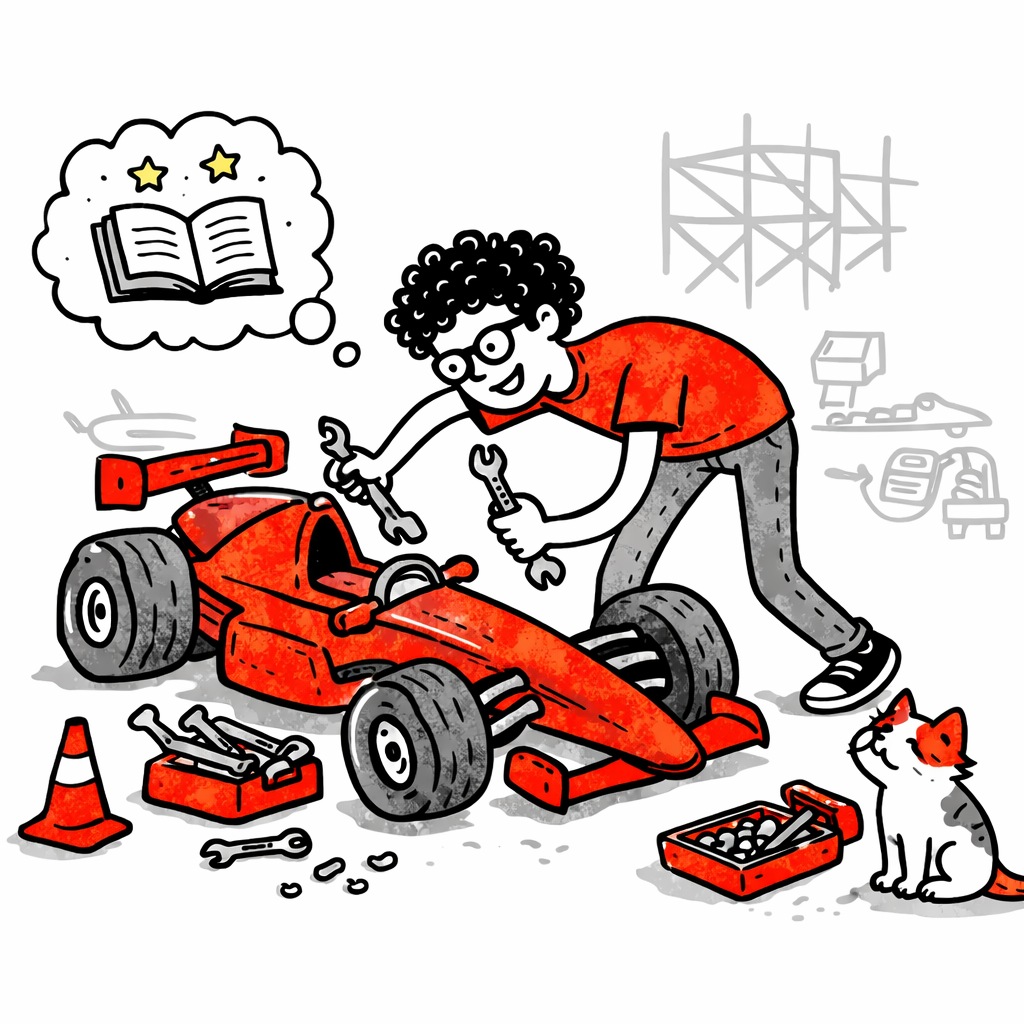
The third step is to build side projects, even small ones. Many times, the most important learning does not happen inside your main job but outside of it. That is where you recover curiosity, autonomy, and independent thinking.
And something important: do not confuse comfort with mental stability. A job that becomes too comfortable for too long can slowly damage your ability to adapt.
Real Learning Requires Intention
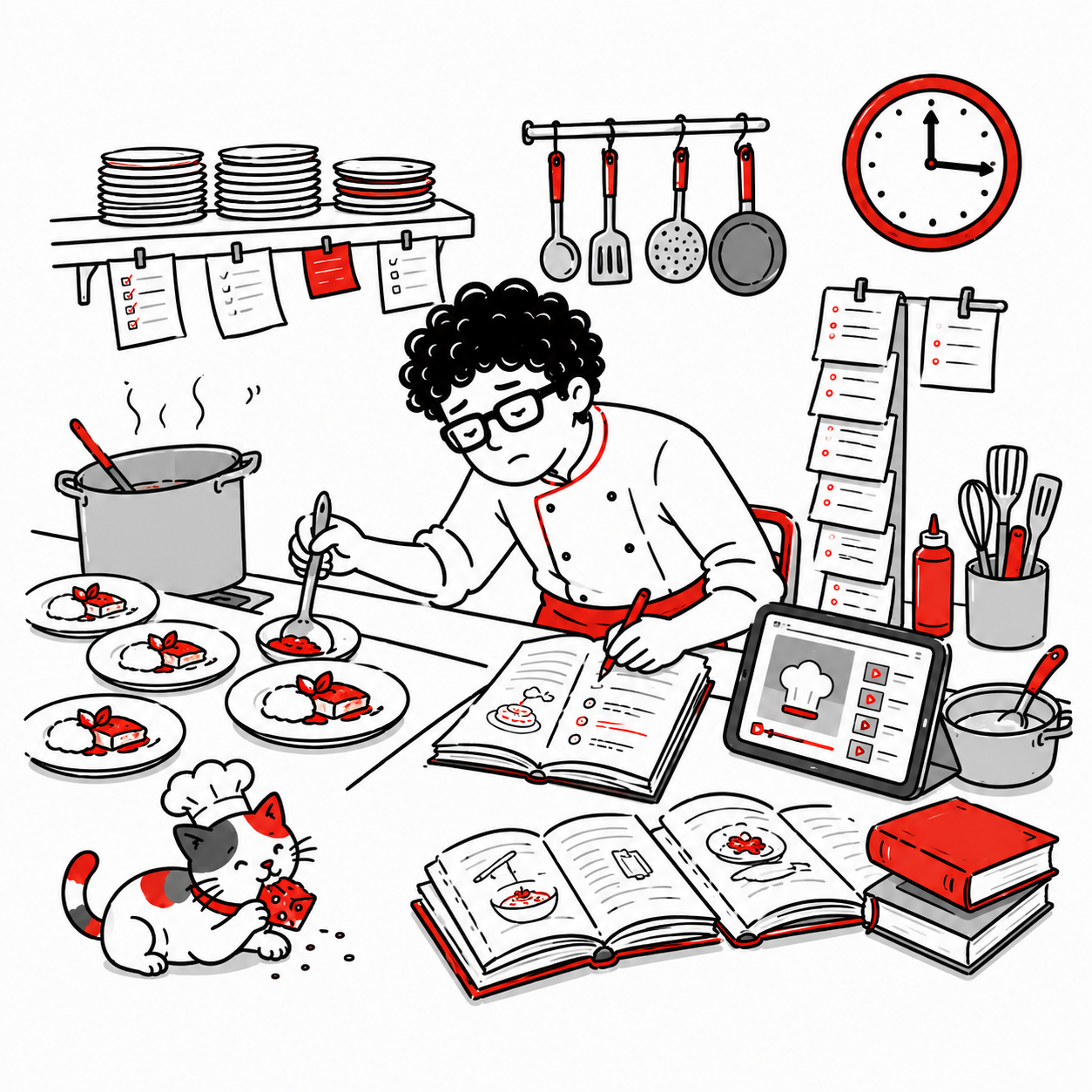
When we are young, much of learning happens automatically because everything is new. But after spending years working, learning stops being automatic. It becomes a conscious decision.
The adult brain works differently. It needs intention, active repetition, and constant exposure to new problems. Without that, the mind starts reusing the same neural pathways simply because they are more energy efficient.
That is why many people feel they “learn more slowly” after a certain age. In many cases, it is not age. It is the lack of continuous cognitive training.
The problem is not working for many years. The problem is working for many years while thinking in exactly the same way.
“Without counsel plans fail, but with many advisers they succeed.”
— The Bible, Proverbs 15:22
Your Growth Cannot Depend Entirely on a Company
I think this is one of the most uncomfortable lessons of modern work. Companies can give you experience, salary, and stability. But they will rarely protect your intellectual growth actively in the long term.
That means keeping your mind active becomes a personal responsibility. Nobody is going to force you to continue growing once you become functional for the system. And honestly, that is where the real difference appears between people who evolve and people who remain professionally trapped for decades.
The people who continue learning even when the environment stops demanding it develop something extremely difficult to replace: real adaptability.
Because in the end, the problem is not having a repetitive job.
The real problem is allowing your mind to become repetitive too.