Why Clear Thinking Is Becoming a Rare Skill
Why Clear Thinking Is No Longer Common
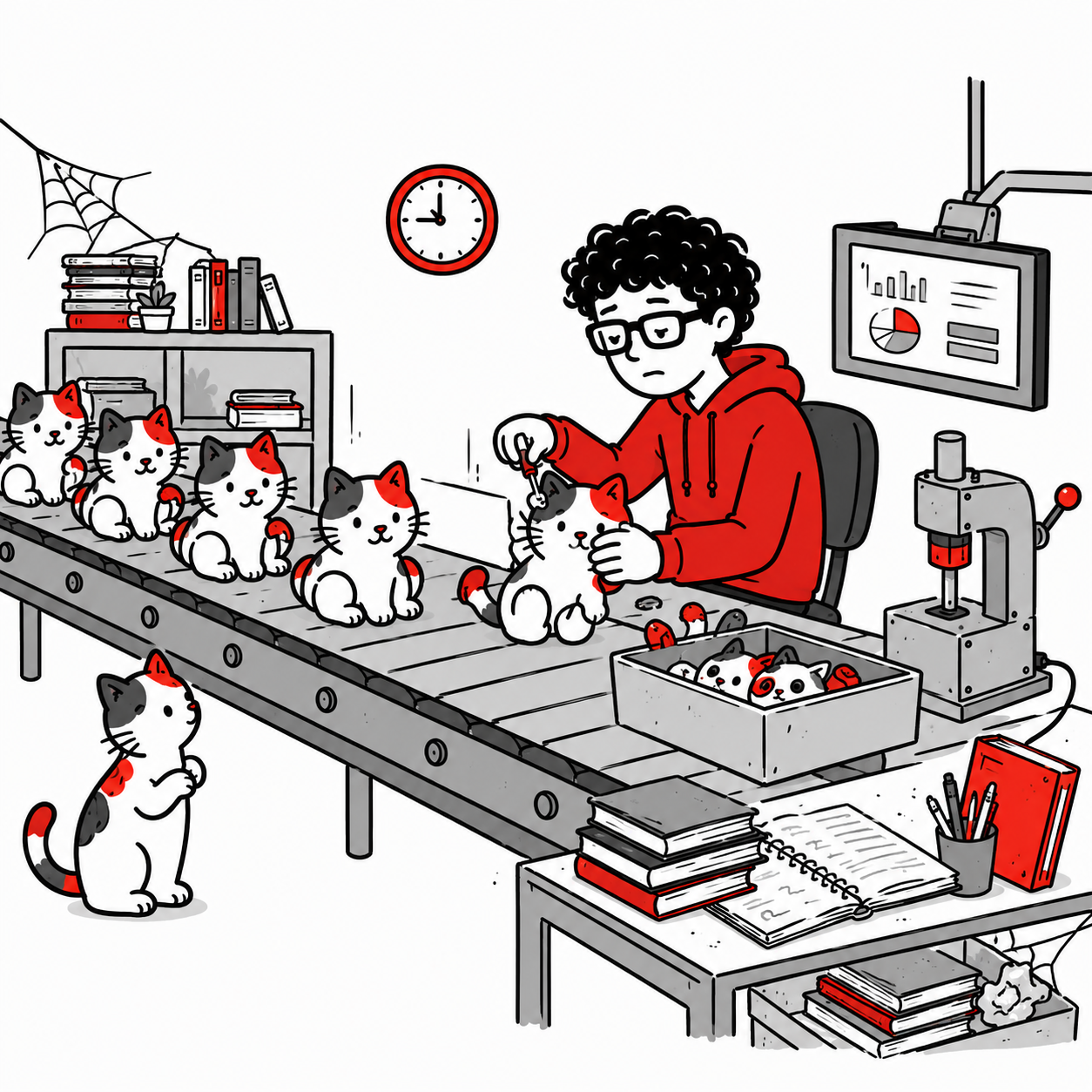
Thinking clearly seems basic, but it’s becoming less common. Not because people are incapable, but because the environment doesn’t support it. We live surrounded by constant stimuli, endless information, and immediate opinions.
The problem is that everything competes for your attention. You jump from one idea to another without fully processing any of them. And when there’s no space to process, there’s no clarity.
So thinking turns into reacting, not analyzing.
“The quality of your life depends on the quality of your thinking.”
— Marcus Aurelius, Roman emperor and Stoic philosopher
The Mental Noise That Blocks Clarity
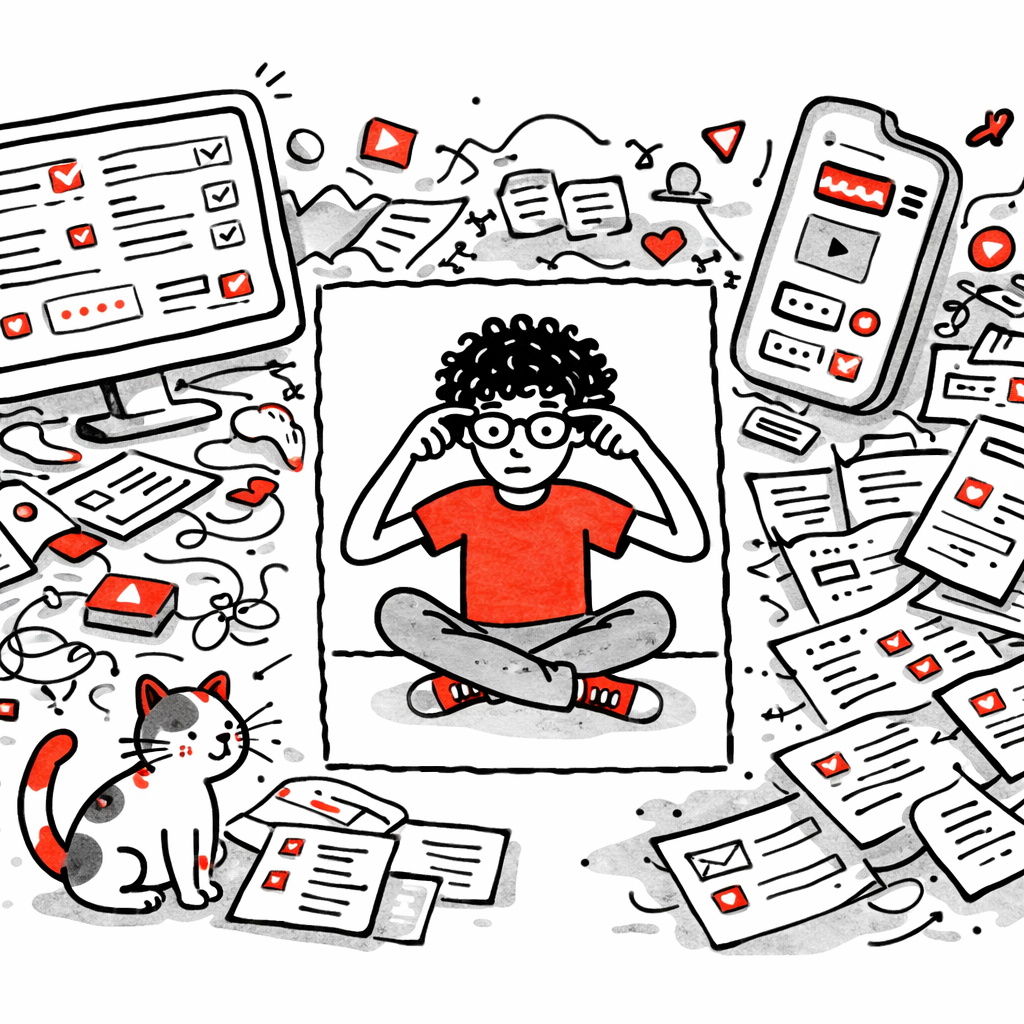
A big part of the difficulty in thinking clearly doesn’t come from a lack of intelligence, but from too much noise. Too much information, too many opinions, too many distractions.
When everything comes in at once, your mind has no time to organize. Ideas mix together, priorities fade, and everything starts to feel confusing.
The result is not a lack of ability, it’s overload.

The Moment I Realized I Wasn’t Thinking Clearly
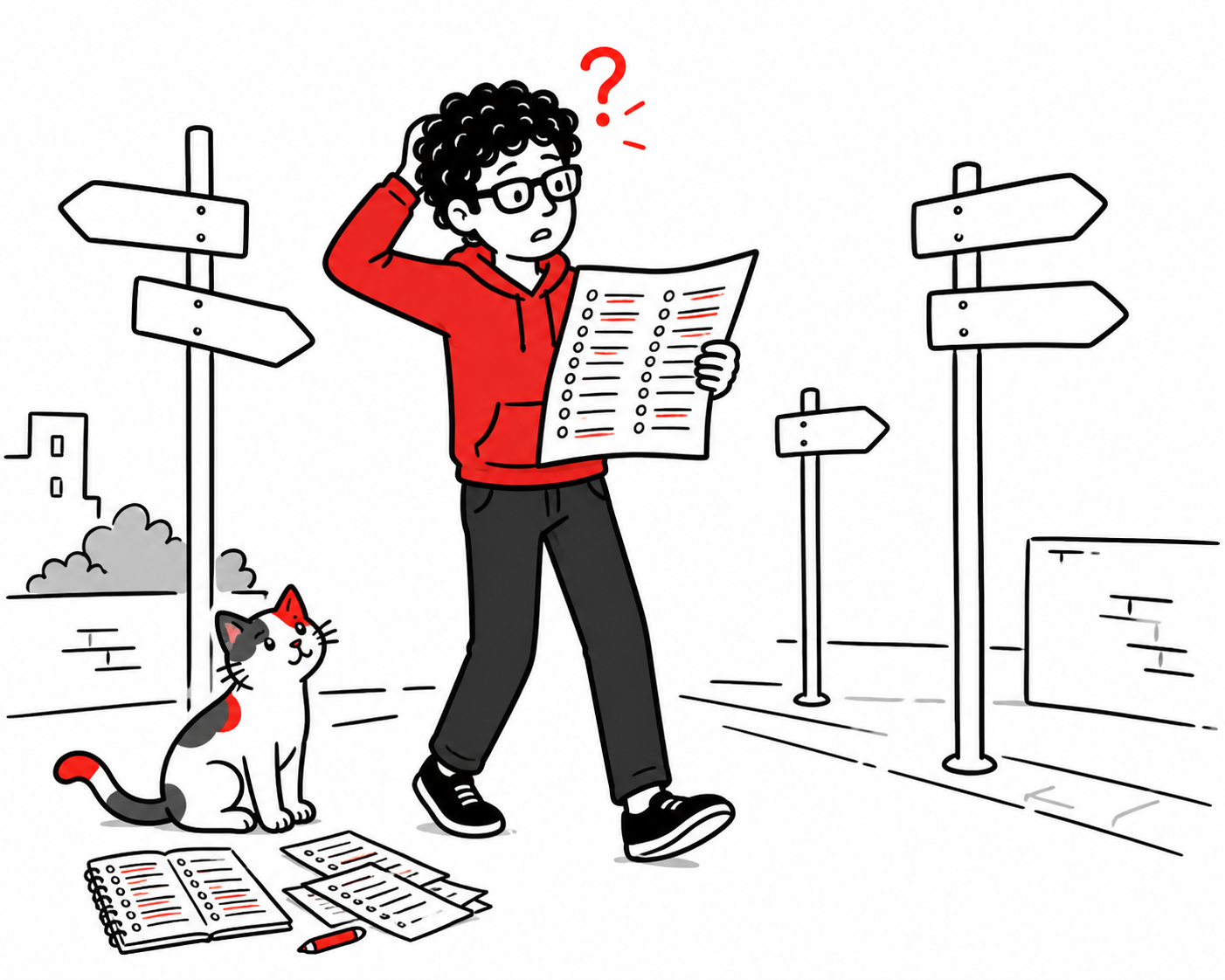
I remember about five years ago, I was constantly consuming information. Videos, articles, opinions, courses, anything that could give me more. I felt like I was learning a lot.
But when I tried to explain what I had learned or make decisions, everything felt messy. There was no clarity, just fragments of ideas.
That’s when I understood that consuming information is not the same as thinking.
How to Start Thinking More Clearly
The first step is to reduce the noise. You don’t need more information, you need more space to process it. Less input, more reflection.
The second step is to write or structure what you think. When you take ideas out of your head, you can see them more clearly. Writing by hand is essential.
The third step is to pause. Thinking takes time. If everything is immediate, there is no depth.
Clarity Is a Practice, Not a Talent
Thinking clearly is not something you’re simply born with or without. It’s a skill you train. The more you practice organizing ideas, questioning them, and simplifying them, the better it becomes.
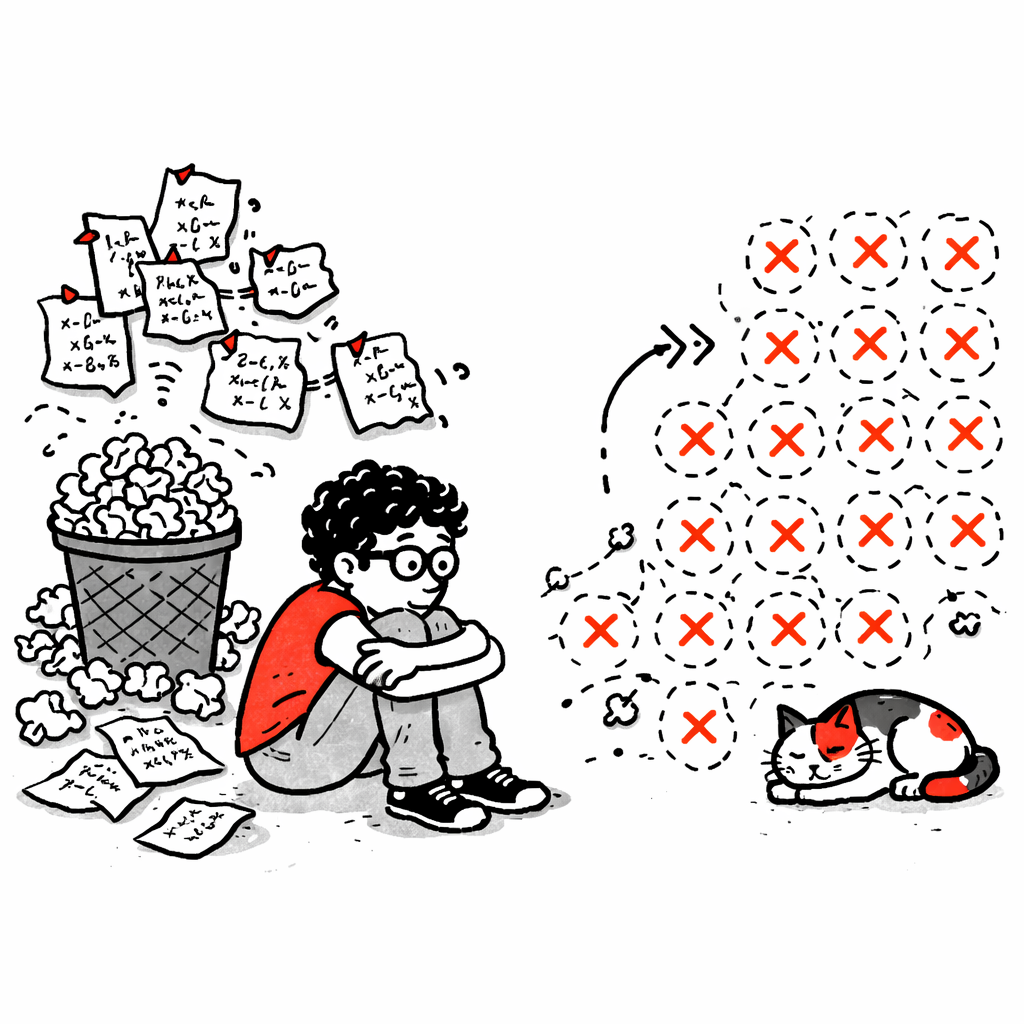
The problem is that very few people train this consciously. They choose speed over clarity.
But a fast mind without clarity tends to make more mistakes.
“Most people do not listen with the intent to understand; they listen with the intent to reply.”
— Stephen R. Covey, educator and author of The 7 Habits of Highly Effective People
Thinking Clearly Is a Quiet Advantage
In an environment where most people react, those who think clearly have an advantage. Not because they know more, but because they understand better.
That clarity allows you to make better decisions, communicate more effectively, and avoid unnecessary mistakes.
And the most interesting part is that it doesn’t require extraordinary talent. It only requires intention and practice.