Why Your Brain Stops Learning at Work
When Your Brain Stops Growing at Work
Have you ever wondered why, after several years in the same job, you feel like you stopped learning? Everything starts feeling repetitive, there are no real challenges anymore, and your mind feels like an engine running at half power. You are not alone. This happens far more often than people realize, and most normalize it without noticing.
The reason is not that you became less intelligent, nor that your previous education was insufficient. The problem lies in the work environment itself. The way tasks are structured, repetitive processes, and the lack of new cognitive stimulation slowly begin to shut your mind down.
And that has real consequences. Every day your brain is not being challenged, your ability to process information, innovate, and make strategic decisions weakens. Learning becomes optional, and that can cost you far more than boredom. It can cost you your entire career.
“The mind that is not baffled is not employed.”
— Wendell Berry, writer, farmer, and environmental thinker
Why Your Mind Settles and Stops Exploring
The human brain thrives on challenge and novelty. When you spend your days facing repetitive tasks or rigid instructions, the mind begins to automate processes. It is efficient, yes, but also dangerously comfortable.
That comfort reduces the need for critical thinking. Attention decreases, neural connections activate less frequently, and every new problem starts feeling more like an annoyance than an opportunity to learn. The brain stops searching because it no longer needs to.
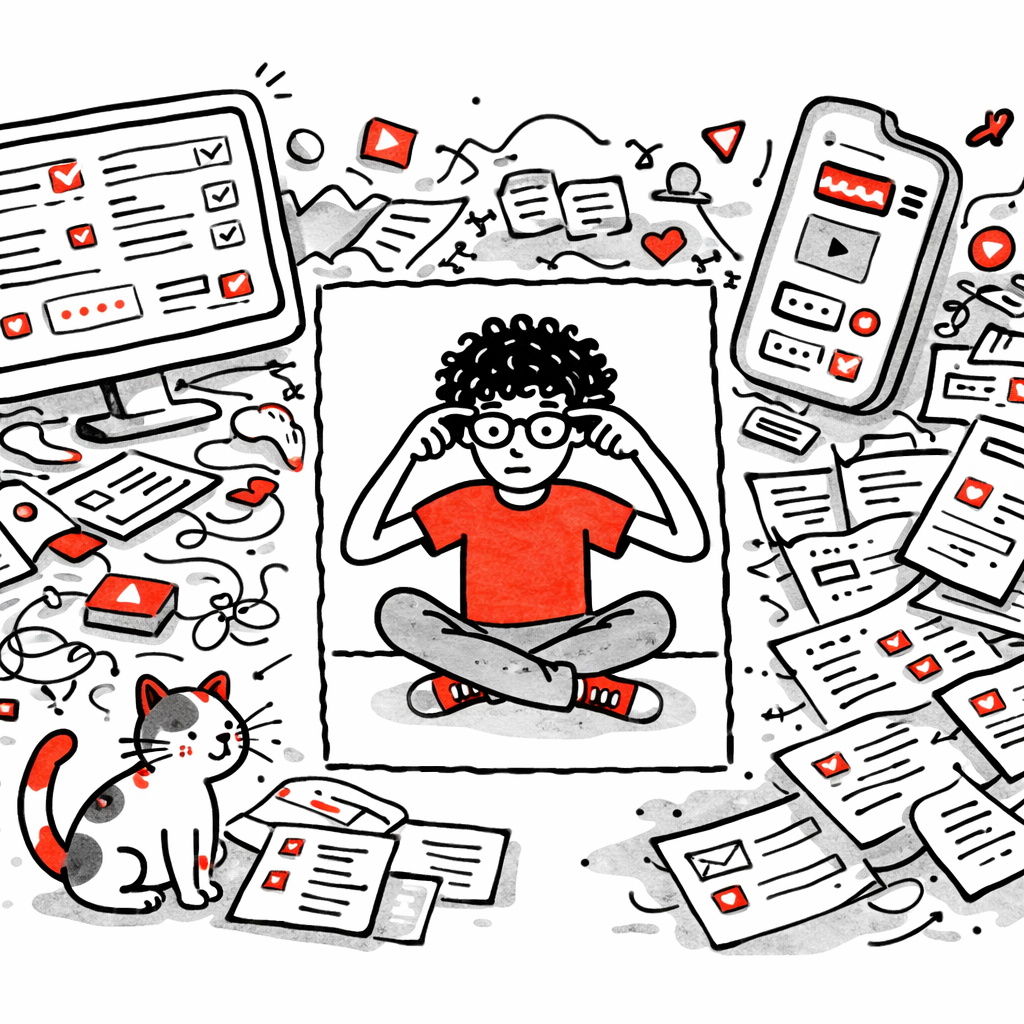
On top of that, workplace culture often rewards fast execution over deep understanding. People are valued for complying, not questioning. For producing, not experimenting. So even if you spend eight hours in front of your computer solving problems, your real learning begins to stagnate. You are busy, but you are not growing. And there is a massive difference between the two.
The Moment I Realized I Wasn’t Learning Anything
It was not that long ago. I was assigned modifications to an internal tracking system. I spent my entire day fixing bugs, following procedures, and attending meetings that led nowhere. But there was no real space to update the system, and honestly, nobody wanted to do it. The original version was more than ten years old, full of patches, and the institutional response to any new idea was always the same: “this is how we have always done it.”
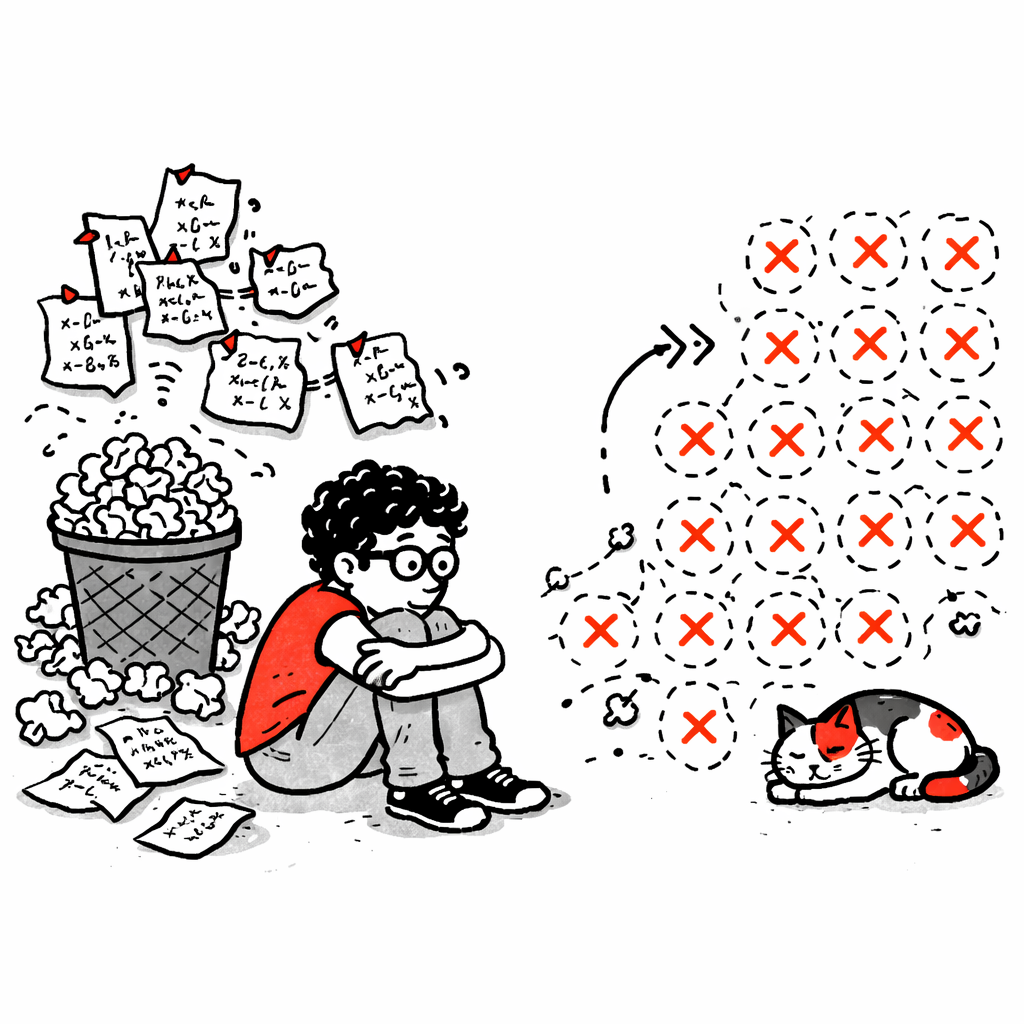
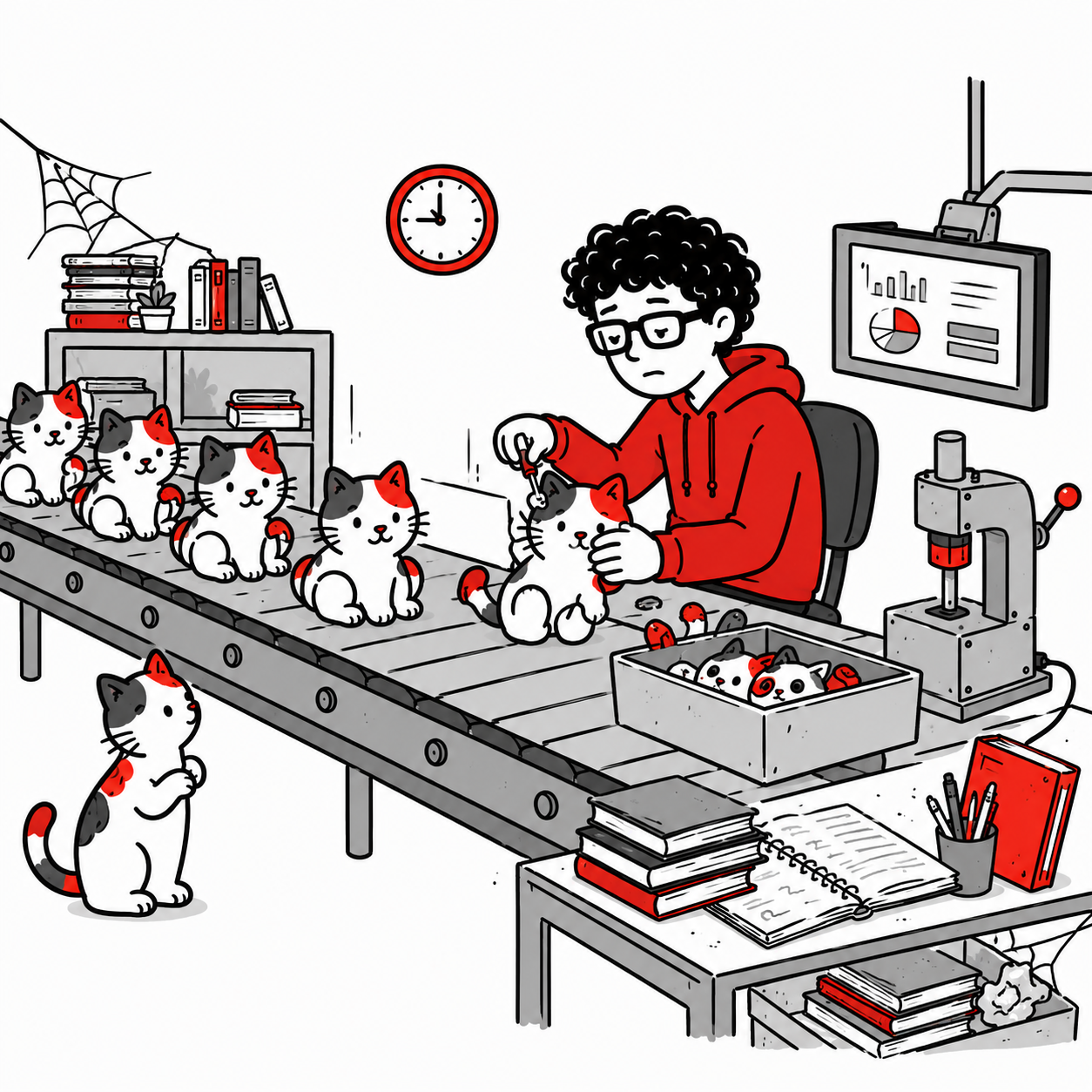
By the end of every week, I realized I could repeat every step of the process from memory. But I had learned absolutely nothing new. Every problem was solved with the same known solutions, every decision had already been made in advance, and my mind had no real stimulus to grow.
That was the moment I understood something nobody had clearly told me before: it does not matter how many hours you spend working. If there is no real learning behind those hours, the brain adapts to routine and stops moving forward. And the worst part is that you barely notice it while it is happening.
How to Retrain Your Brain at Work
The first step is to look for small daily challenges, but intentionally. You do not need to change jobs or break every process. You need to consciously choose the harder path at least once a day. Instead of using the solution you already know by heart, ask yourself: is there a better way I have not tried yet? That friction is not wasted time. That friction is exactly where learning happens.
The second step is to question what you take for granted. Most people begin operating on autopilot after the second year at a job. Audit your own routines. Pick one process you repeat every week and ask yourself three honest questions: why do we do it this way? What would happen if we changed it? What would I do differently if this were completely mine? You do not need permission to think. You only need the habit of doing it.
The third step is to experiment and document what you learn. Not in a corporate way with metrics and presentations. Just a short note at the end of the week: what I tried, what happened, what I learned. That reflection cycle is what transforms experience into judgment. Without it, you are only accumulating hours. Even seemingly simple things such as teaching a coworker, optimizing a repetitive task, or proposing a different approach during a meeting can reactivate your brain if you do them with genuine intention behind them.
Why Learning Structure Matters More Than Time
Learning at work does not depend on how many hours you invest. It depends on whether you are building structure around your experience or simply surviving it.
The difference between someone who grows and someone who stagnates is not talent. It is whether they treat their work as raw material to better understand the world, or simply as an endless checklist of tasks to complete. The brain does not consolidate learning through repetition alone. It needs context, consequences, and reflection. It needs to feel that something meaningful was at stake.
That is why microstructures matter more than training seminars. Fifteen minutes of honest reflection at the end of a project are worth more than a two day seminar you will forget by Thursday. A real problem you genuinely struggle with is worth more than ten tutorials you passively watch on YouTube. Build those small structures into your week and your brain stays active. Ignore them, and you may remain technically employed while becoming mentally retired.
“Without continual growth and progress, such words as improvement, achievement, and success have no meaning.”
— Benjamin Franklin, statesman, inventor, and writer
Learning at Work Is the Competitive Advantage Few Exploit
Here is the uncomfortable truth nobody in your company is going to tell you: organizations are not designed to keep you learning. They are designed to keep you producing. And those are not the same thing.
The system rewards output, consistency, and compliance. It does not reward curiosity or slow thinking that leads to real understanding. Which means that if you are waiting for your job to develop your mind on its own, you are delegating your growth to an institution with completely different priorities.
Your brain is your responsibility. Not your manager’s. Not HR’s. Yours.
The people who understand this early do not just perform their jobs better. They build something the system cannot easily automate: genuine judgment. And in 2026, that is one of the few things truly difficult to replace.
“The intelligent heart acquires knowledge, and the ear of the wise seeks knowledge.” — Proverbs 18:15
Work gives you the time. What you do with your mind during that time depends entirely on you.