Why Information Alone Doesn’t Lead to Learning
Why Having Information Is Not the Same as Learning
I have no doubt about it. We live in a time where information is instantly available. We can search for almost anything and get an answer in seconds. That has completely changed how we access knowledge.
However, the problem is that access is not the same as learning. We can read, listen, or watch content without it creating any real transformation in the way we think.
Learning implies change. If there is no change in how you understand or apply something, you probably just consumed information.
“Knowing is not enough; we must apply. Willing is not enough; we must do.”
— Johann Wolfgang von Goethe, writer and philosopher
The Mistake of Confusing Exposure with Understanding
One of the most common mistakes and one I also make, is believing that being exposed to an idea means you understand it. We see a concept, recognize it, it feels logical… and we assume we’ve already mastered it.
But recognition is not the same as understanding. Understanding appears when you can explain an idea in your own words or apply it in a different context.
Without that step, whether you like it or not, the information stays on the surface. And what is superficial is forgotten very quickly.
The Moment I Realized I Wasn’t Learning
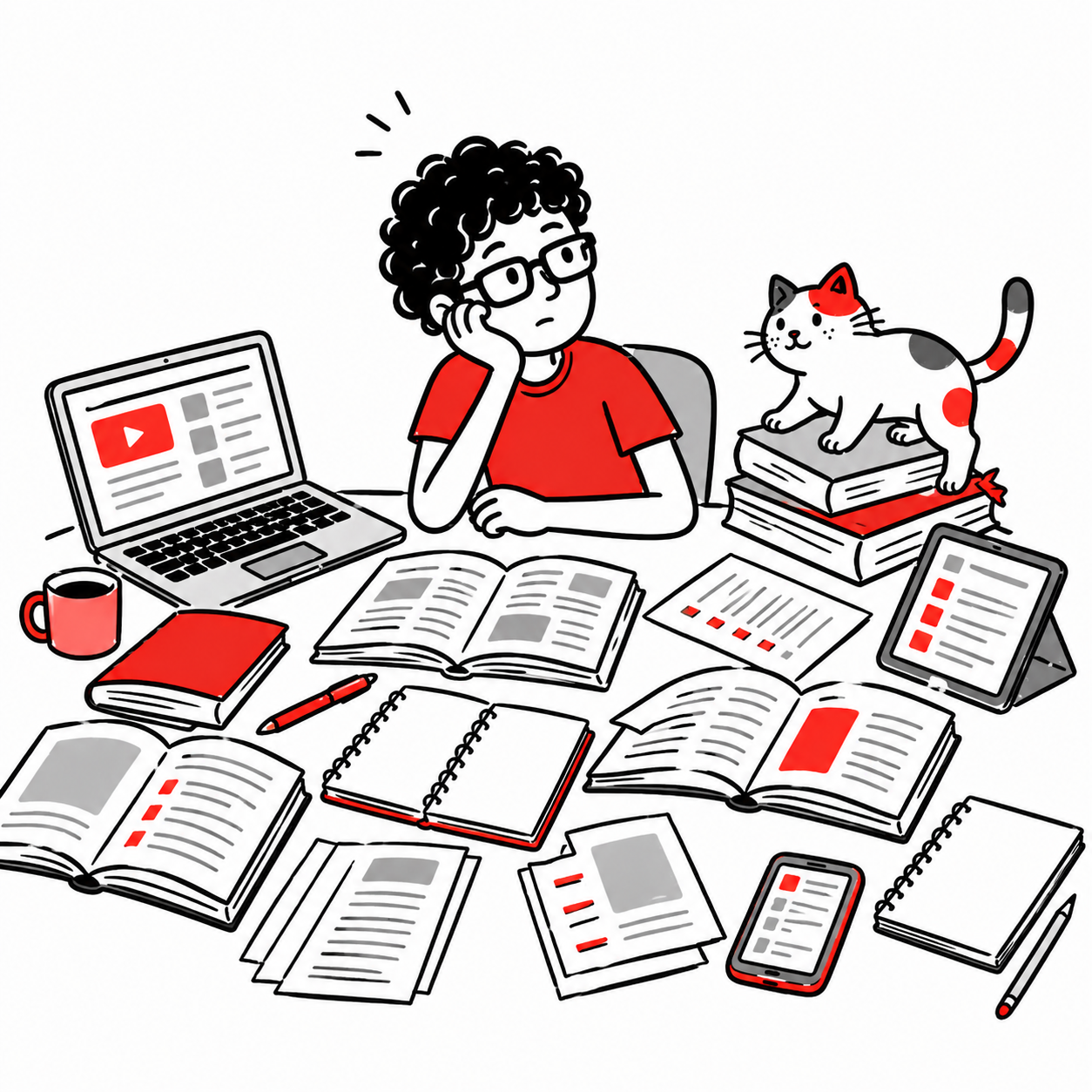
To be honest, even today I still consume content constantly on topics that interest me. Courses, articles, videos. And yes, I felt like I was making progress because I was exposed to many ideas.
But when I tried to apply what I “knew,” things didn’t work. Not because the information was bad, but because I hadn’t truly processed it and it still happens to me from time to time.
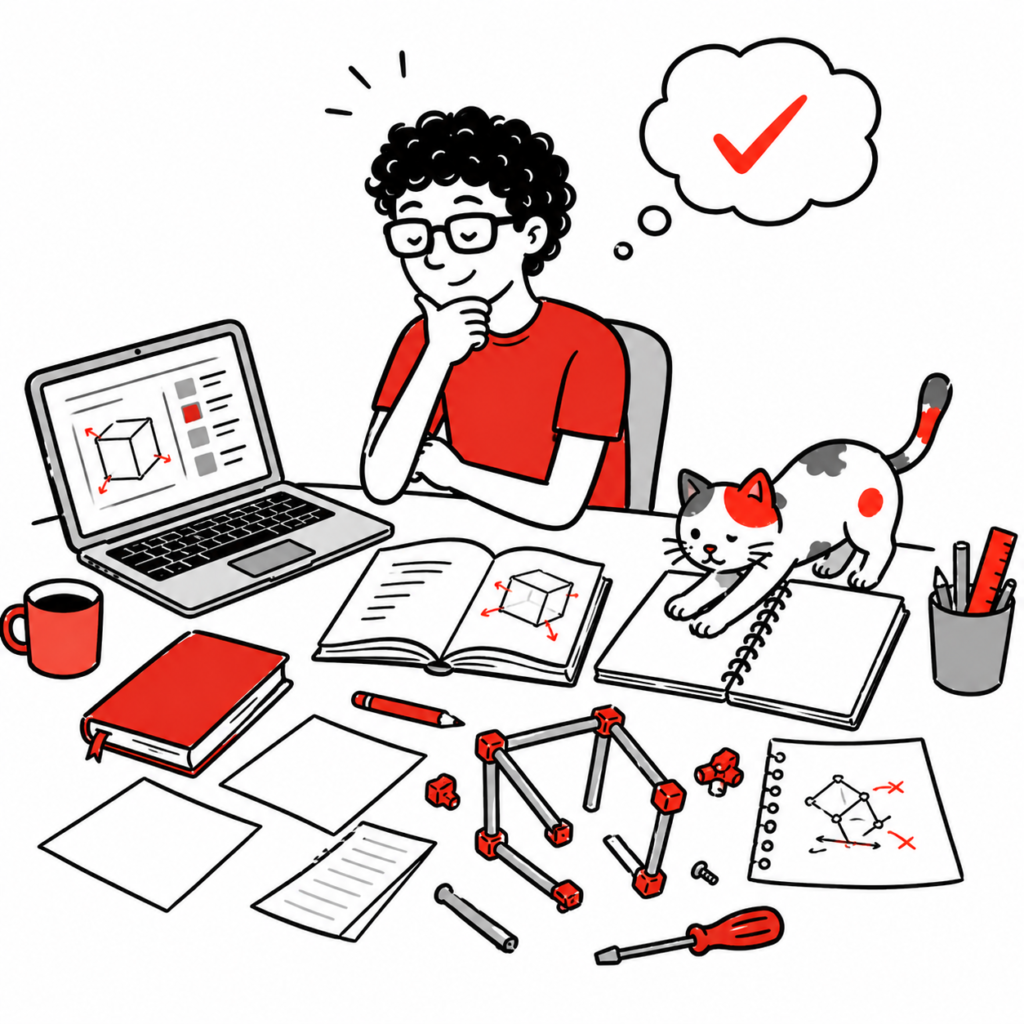
That was the moment I understood that accumulating information is not the same as learning. So now, I dedicate at least half an hour every day to actually process what I consume.
How to Turn Information Into Real Learning
The first step is to slow down. You don’t need more information, you need more time to process it. Less content, more depth.
The second step is to apply what you learn as soon as possible. Even if you don’t feel ready. Application reveals what you truly understood.
The third step is to explain what you know. If you can’t explain it simply, you probably haven’t learned it yet.
Learning Happens When There Is Friction
We’ve said this before. Friction is uncomfortable, but necessary. The moment something doesn’t fit is the signal that tells you you’re moving forward and also that you need to pause, think, and reorganize what you know to move ahead more firmly.
Without friction, everything seems clear, simple, and easy to solve. But that clarity is usually superficial. It’s the illusion of understanding without depth.
When you face difficulty, it gives you a starting point to truly consolidate learning.
“Tell me and I forget, teach me and I may remember, involve me and I learn.”
— Benjamin Franklin, statesman, inventor, and writer
You Don’t Need More Information, You Need to Process It Better
The problem today is not a lack of information. It’s the excess and often without considering its quality, assuming it is reliable and accurate.
Within that excess, you see many people consuming without transforming anything. Always looking for the next answer instead of working with what they already have.
In the end, learning doesn’t depend on how much you know, but on what you do with what you know.