Why Experience Teaches Faster Than Any Course
The Difference Between Studying and Experiencing Something
What does experience really teach us? Well, it’s something I’ve learned over the past thirty years, starting from when I left school, went to university, and began working. There is a clear difference between studying something and facing it in real life.
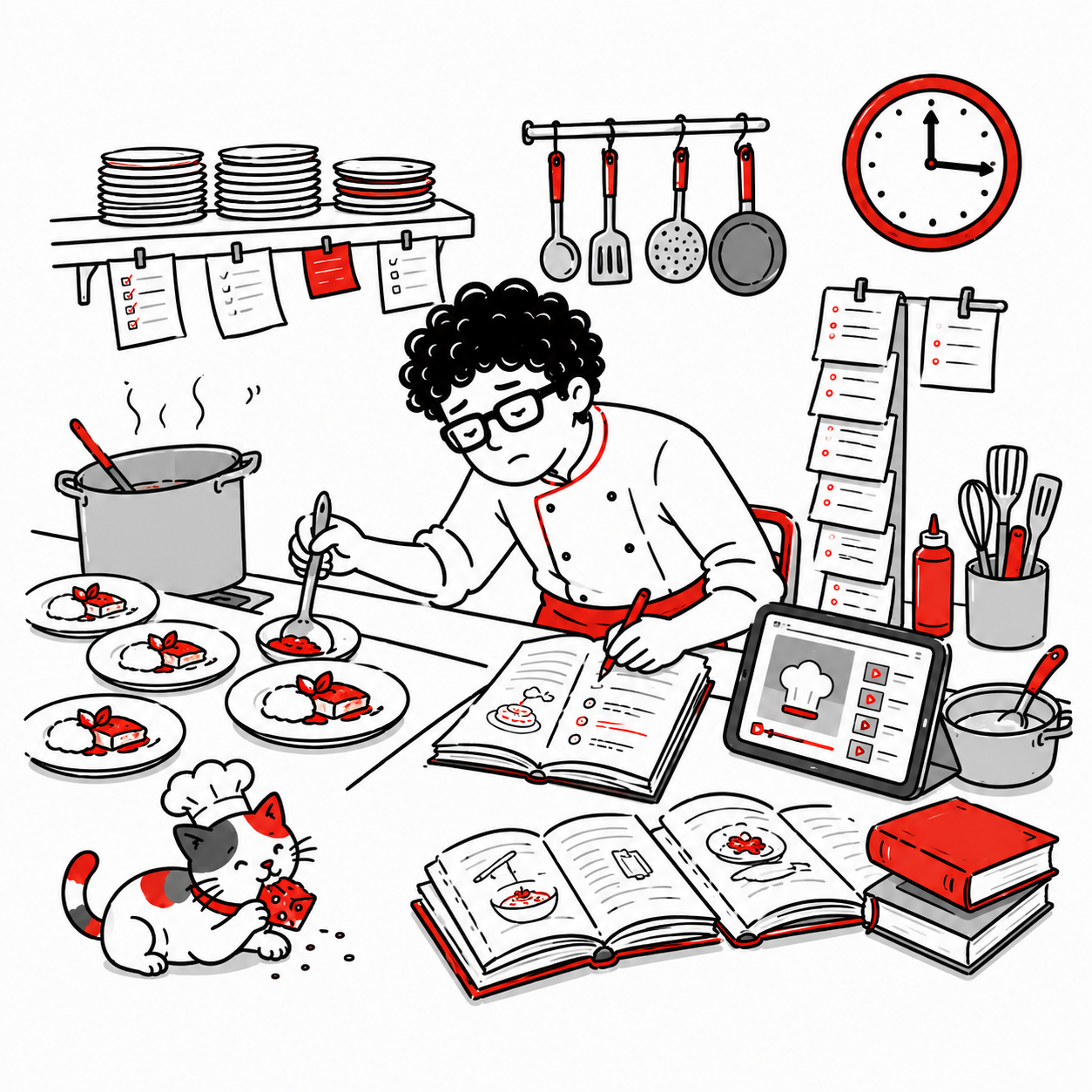
When you learn from books or courses, everything seems structured. Concepts are explained step by step, and examples usually work as expected.
Experience is simply the name we give our mistakes.
— Oscar Wilde, writer and playwright
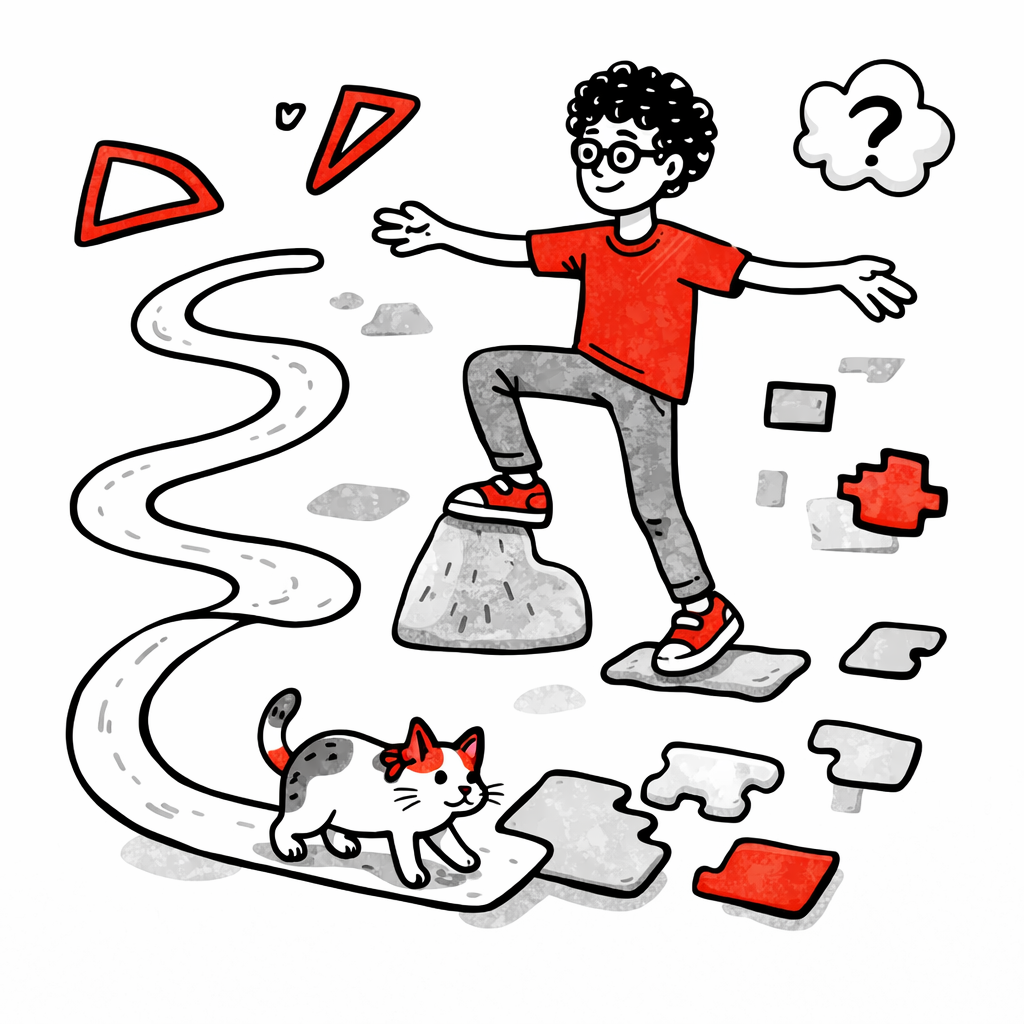
However, when that same idea appears in a real situation, things rarely follow the same script. Unexpected variables arise, decisions must be made, and problems appear that no one mentioned.
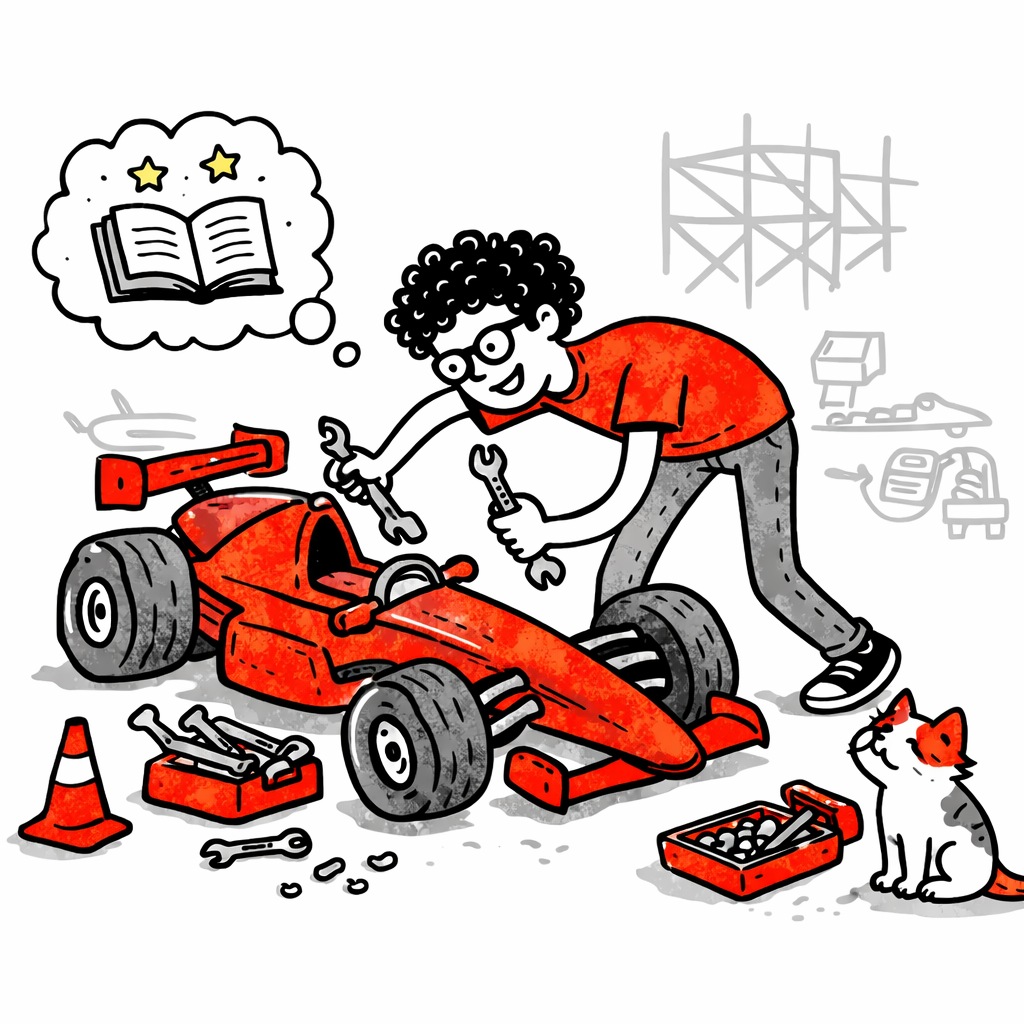
That’s when learning becomes more intense. Because you are no longer processing information passively. You are reacting to something that has real consequences.
Why Experience Accelerates Learning
Experience teaches faster because it engages more parts of your mind at the same time. You are not just thinking; you are observing results, correcting decisions, and adapting to what is happening. And there is an importan factor added to all of this: pressure.
In a course, you can repeat a concept multiple times until you memorize it. But when you apply it in a real situation, that same concept carries a different weight. Now it matteres whether it works or not.
That level of involvement makes learning deeper. You do not just remember the idea… you remember the situation in which you applied it.
The Moment When Theory Wan No longer Enough
I remember a recent period at a place where I worked. They decided to build a system using a language that no one really knew. I still don’t know why, but the consulting company that started it never finished, and we had to step in and fix it.
There wasn’t much time. I studied the basics and assumed the rest would come naturally. The first few weeks were a mess. Many things did not fit together the way they were supposed to.
Theory explained how things should work, but it did not always explain what to do when conditions changed. And in practice, conditions almos always change. Little by little, I started to understand that framework better, but I approached it in reverse. I worked directly on it first, and only later when deeper into concepts through books and courses. Strange, right? But it worked.
That moment was revealing. I realized that theoretical knowledge is important, but experience is what truly turns that knowledge into judgement.
How to Use Experience to Learn Faster
The first step is to expose yourself to real situations as early as possible. Do not wait until you “know everything” before trying something. Many times, learning happens precisely because you don’t know everything yet.
The second step is to observe what happens when you apply what you know. Every result, including mistakes, contains information that can improve your understanding.
The third step is to reflect after the experience. It is not enough to just do something; it is important to analyze what worked, didn’t, and why.
Experience Turns Information Into Judgment
Information can give you a foundation, but judgment is built through experience. Judgment is what allows you to make decisions when the situation does not look exactly like what you learned.
That kind of knowledge rarely appears in manuals. It is built through attempts, corrections, and constant adaption. Over time, you begin to understand that this is what makes you stand out from others.
That is why someone with less theoretical knowledge but more experience can often solve problems faster.
Tell me and I forget, teach me and I may remember, involve me and I learn.
— Benjamin Franklin, statesman, inventor, and writer
Learning by living the Process
Over time, you understand that studying and experiencing are not opposite paths. They are part of the same process. Theory guides, but experience confirms or corrects.
The problem appears when you depend only on one of them. Too much theory without practice stays abstract. Too much practice without reflection becomes repetition.
When both are combined, learning becomes stronger. Because you don’t just know something… you understand how it works in reality.