Why Creating Beats Consuming in the Long Run
Why Consuming Feels Like Progress
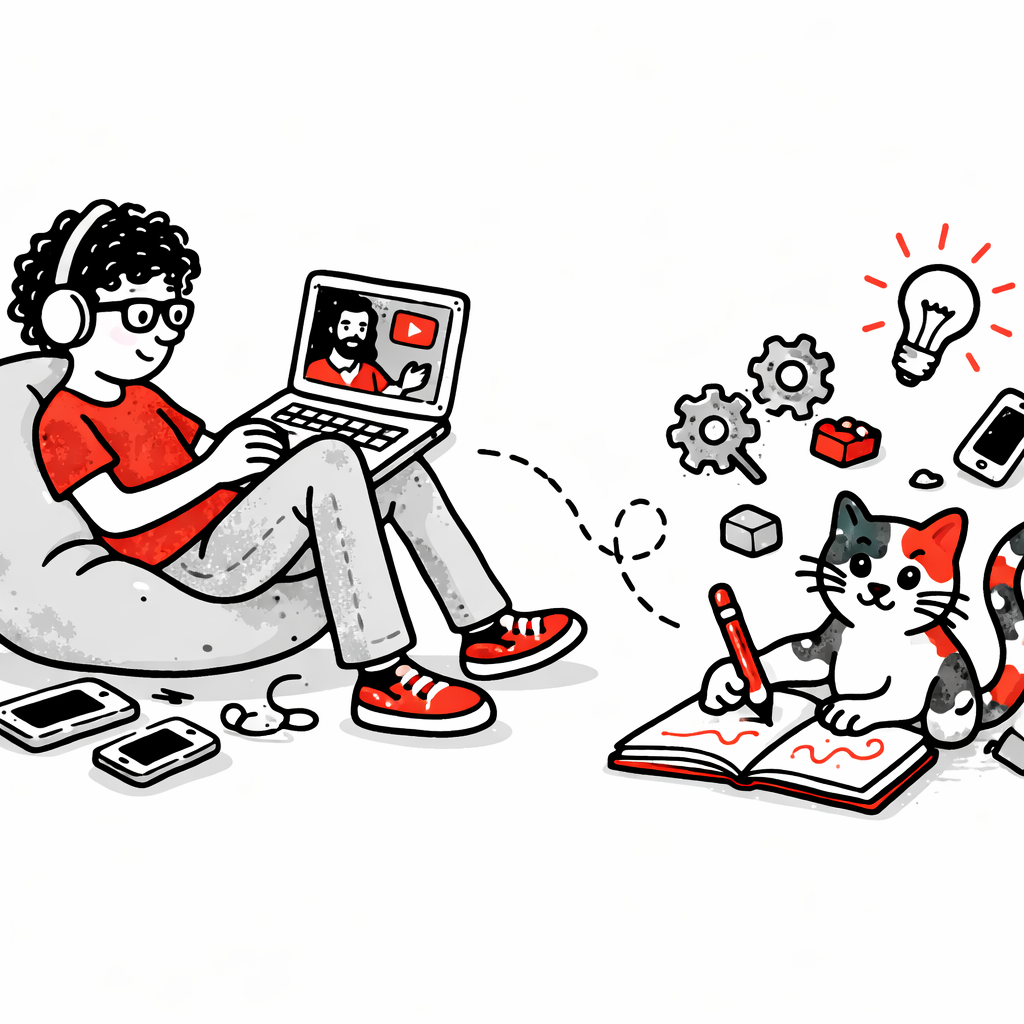
Consuming is easy. Even more now, with so much content across all social platforms. It doesn’t require much friction. You can learn something new in minutes, feel like you understand the topic, and move on to the next piece of content.
But be careful there. That feeling is dangerous because it simulates progress. It gives you the impression that you are improving, when in reality you are just accumulating information.
The problem is that understanding something is not the same as knowing how to do it.
“What I hear, I forget. What I see, I remember. What I do, I understand.”
— Confucius, philosopher and teacher
The Limits of Learning Through Consuming
When you only consume, there are no real consequences. You don’t make decisions, you don’t face errors, you don’t have to solve anything on your own.
That keeps knowledge at a superficial level. You can recognize concepts, but not necessarily master them.
Deep learning appears when you have to use what you know.
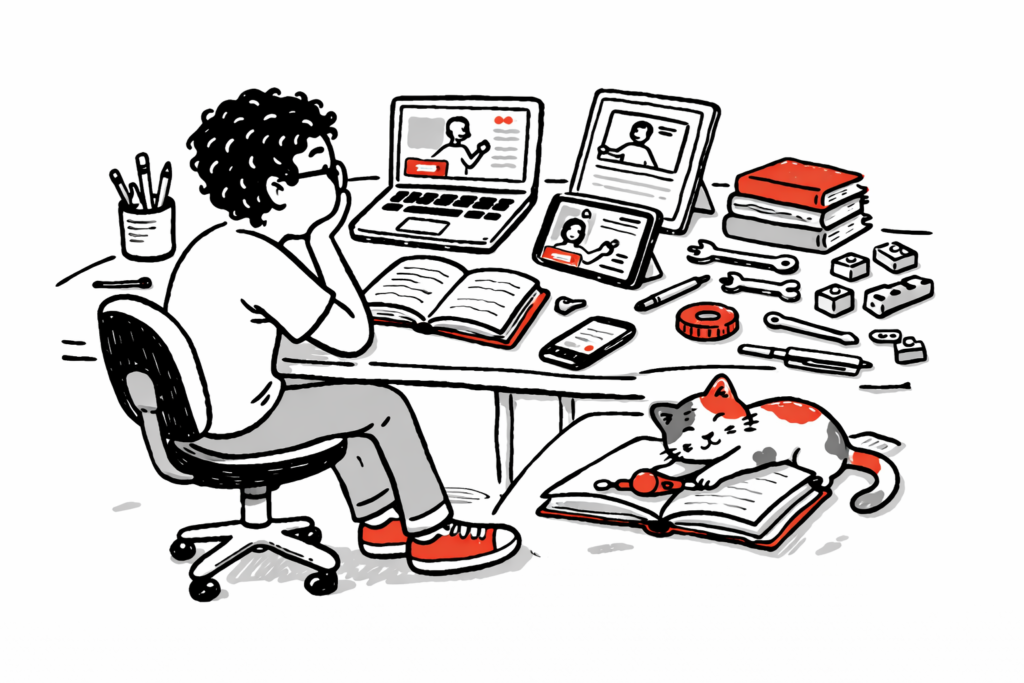
The Moment Consuming Stopped Being Enough
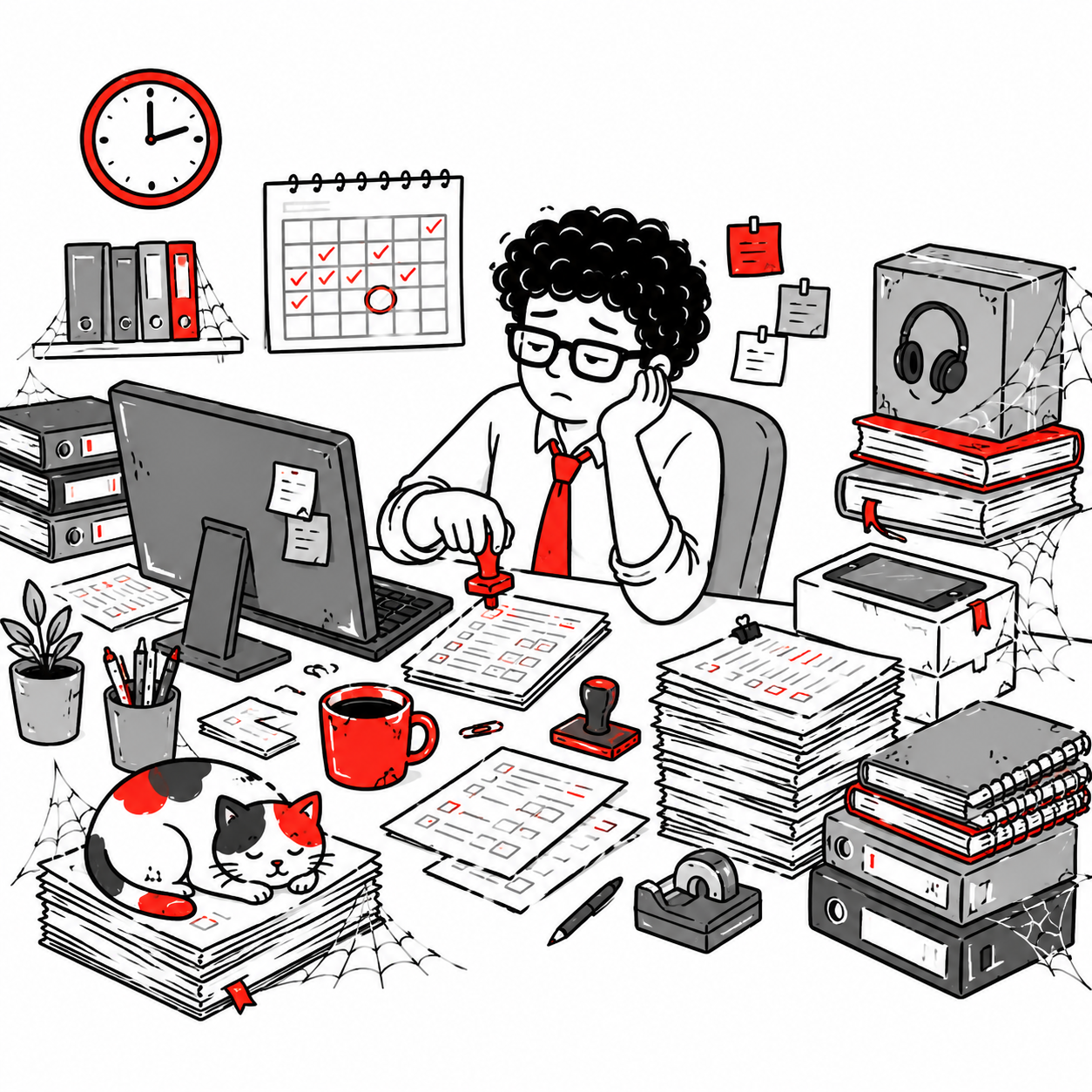
A few years ago, before COVID, I had a membership on a course platform (Crehana). I signed up for every course that looked interesting and was constantly consuming content. I felt like I was learning a lot, like I was making progress.
But at some point, I realized that wasn’t true. I understood concepts, but I didn’t know how to apply them without help.
That was the moment I understood that consuming without creating has a limit.
How to Move from Consuming to Creating
The first step is to intentionally reduce consumption. Not eliminate it, but control it. Less input, more action.
The second step is to create something with what you already know. You don’t need to learn more to start. You need to use what you already have.
The third step is to accept that what you create will not be perfect. Creating means exposing yourself to error, and that is part of the process.
Creating Turns Knowledge Into Skill
I think we’ve said this in other posts. When you create, knowledge stops being theoretical. It becomes decisions, mistakes, and adjustments.
You start to see what works and what doesn’t. What used to be abstract becomes concrete.
That’s where learning truly solidifies.
“The greatest amount of wasted time is the time not getting started.”
— Dawson Trotman, founder of The Navigators
Consuming Informs, Creating Transforms
Consuming has its place. It exposes you to ideas, gives you references, and opens possibilities.
But creating is what changes your level. It’s what turns information into experience.
In the long run, it doesn’t matter how much you consumed. What matters is what you were able to build with it.