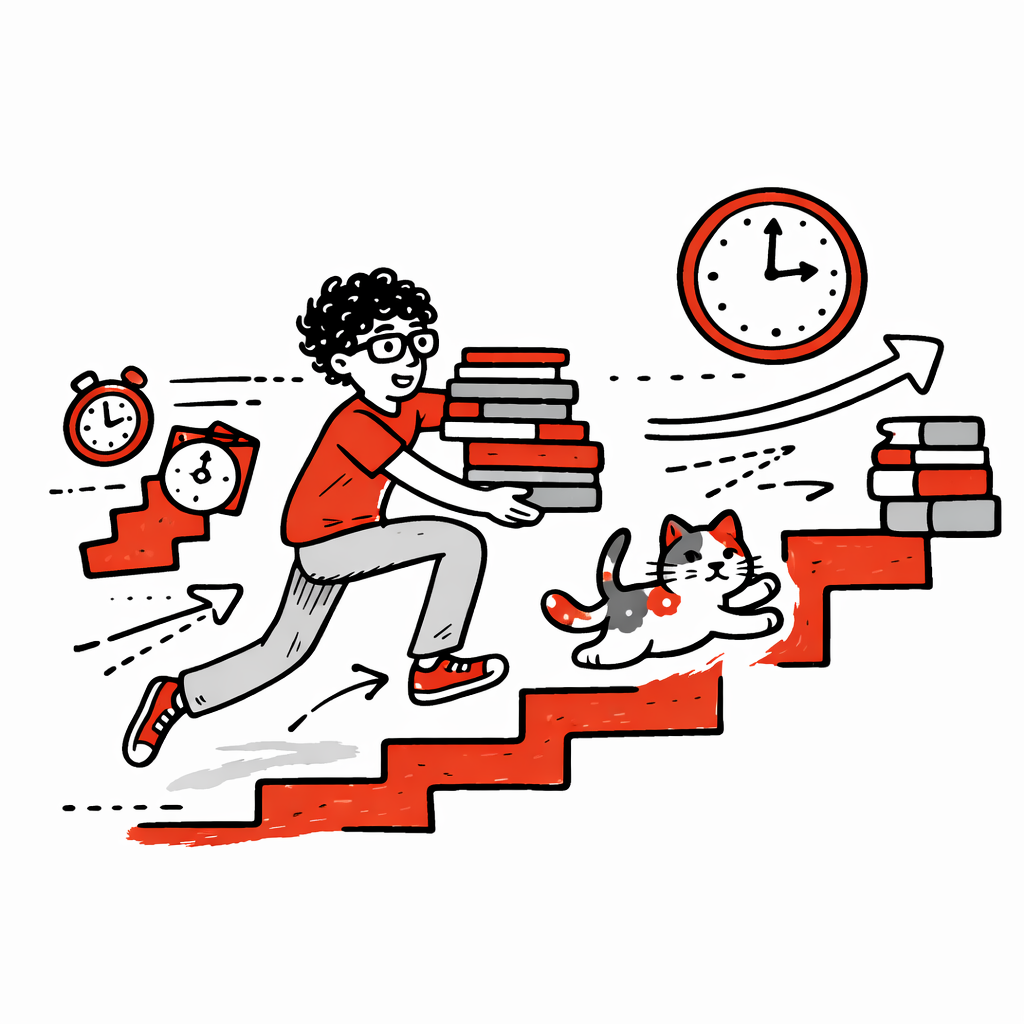
When You Finally Understand… But It’s Late
Learning always felt easy to me. At least that’s what I used to say ten years ago. Now I see it differently. There are moments when clarity arrives, but it arrives too late. You understand the importance of saving when you’re already in debt. Understand the value of discipline when time has already slipped away. And of course you understand how relationships worked when the person is no longer there.
And that realization is heavy.
Learning late has a cost. It’s not always money. Sometimes it’s things you cannot physically touch: time, opportunities, trust, energy. The hard part isn’t understanding the lesson. The hard part is accepting that you could have learned it earlier.
That is the quiet blow of adulthood. Not everything is learned on time. And some lessons only arrive after consequences have already unfolded.
An ounce of prevention is worth a pound of cure.
— Benjamin Franklin
Why We Often Learn Only After It Hurts
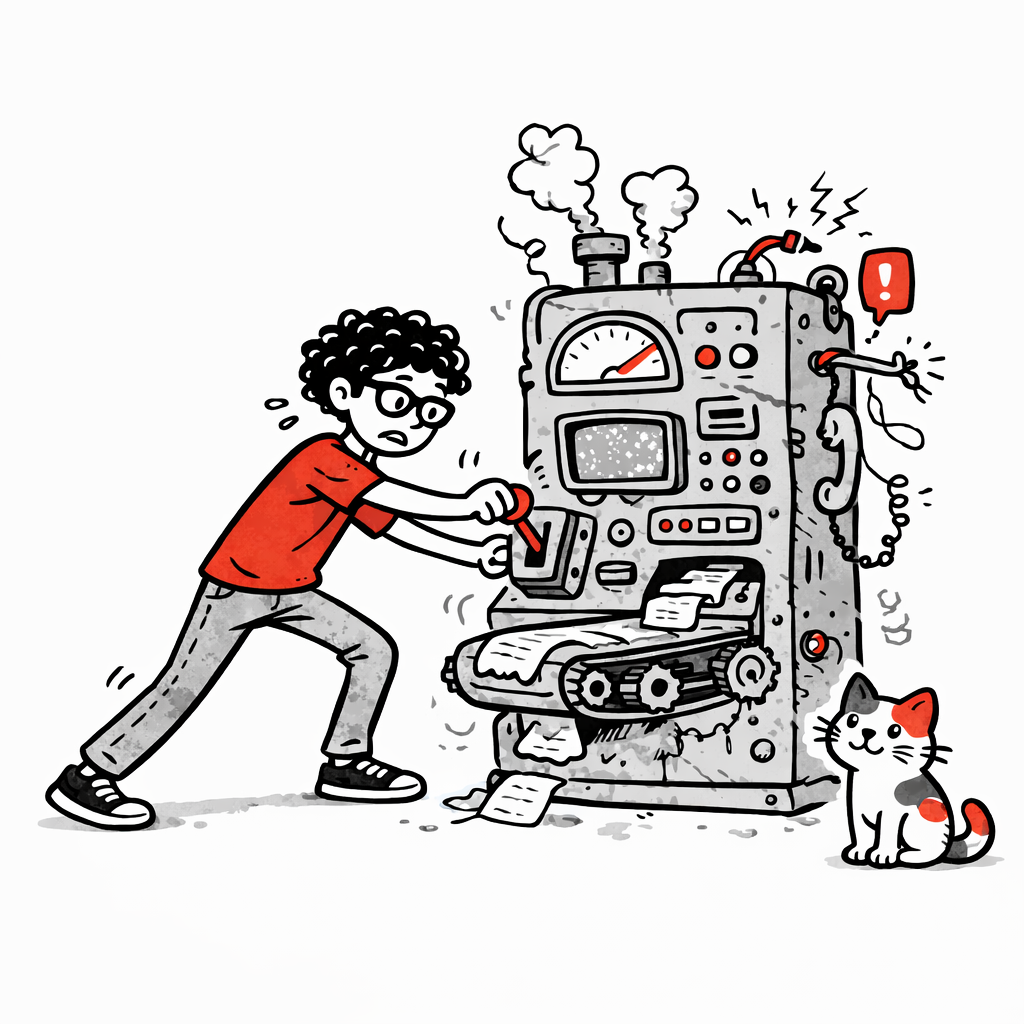
Most people don’t change because of information. They change because of friction. I learned that the hard way in my last job. As long as something “more or less works,” there is no urgency. We had a system running on a version that had been discontinued since 2012, but because it still did what it was supposed to do, no one cared. Especially not my manager.
So the decision kept being postponed. The warning signs were ignored. We convinced ourselves there was still room to delay. The excuse was always the same: there wasn’t enough time to modernize or adopt better tools. In reality, there had been more than ten years to prepare.
The problem is that margins shrink without warning. And by the time we finally pay attention, the situation has already escalated. We learn late because we prefer present comfort over preventive discomfort.
It’s not a lack of intelligence. It’s human nature. But understanding that does not eliminate the cost.
The Moment I Realized I Had Reacted Too Late
To be honest, I’ve been there too. I remember the day I realized I had waited too long. I knew what I should have done months earlier, but I kept waiting for the “right moment.” That moment never came. What came instead were consequences. I failed several exams that now seem relatively simple in hindsight.
The most frustrating part wasn’t the mistake itself. And that difference hurts more:
- It was knowing that I already had the information.
- It wasn’t ignorance.
- It was procrastination.
That’s when I understood something uncomfortable: we don’t always learn late because we don’t know. We learn late because we don’t act.
How to Start Catching Up
The first step is accepting the delay without dramatizing it. Denial only extends the damage. Admitting you learned too late restores control. Because once you can see it, you can intervene.
The second step is acting immediately, even if the movement is small. I remember a colleague who, until our last day working together, refused to learn anything new. Maybe it was pride, maybe embarrassment. But when you’re behind, you don’t need a perfect plan. You need momentum. Consistent action can partially compensate for lost time.
The third step is changing your relationship with discomfort. If you learn to tolerate small discomforts now, you avoid major losses later.
Learning Late Is Not the End, It’s a Warning
Learning late does not mean everything is lost. It means the margin has narrowed. And that requires more precision, more focus, and fewer excuses. That part is not negotiable.
The lesson is not to punish yourself for the delay or live in regret. The lesson is to break the pattern. To turn the experience into judgment and discipline.
Because the real problem is not learning late once. It’s making it a habit.
In the end, we only regret the chances we didn’t take.
— Lewis Carroll
Time Doesn’t Return, but Discipline Can Recover Ground
We have to accept that lost time does not come back. That is a fact. But direction can be recovered. And direction, sustained over time, changes outcomes.
Learning too late hurts. But it can also become the turning point you needed. Sometimes the blow does not destroy you. It corrects you.
The question is not how much you lost. The question is what you are going to do now that you finally understand.
Two clear examples in my life remain:
- My manager, who refused to update outdated systems.
- My colleague, who refused to learn at all.
Both paid the price of waiting too long.